
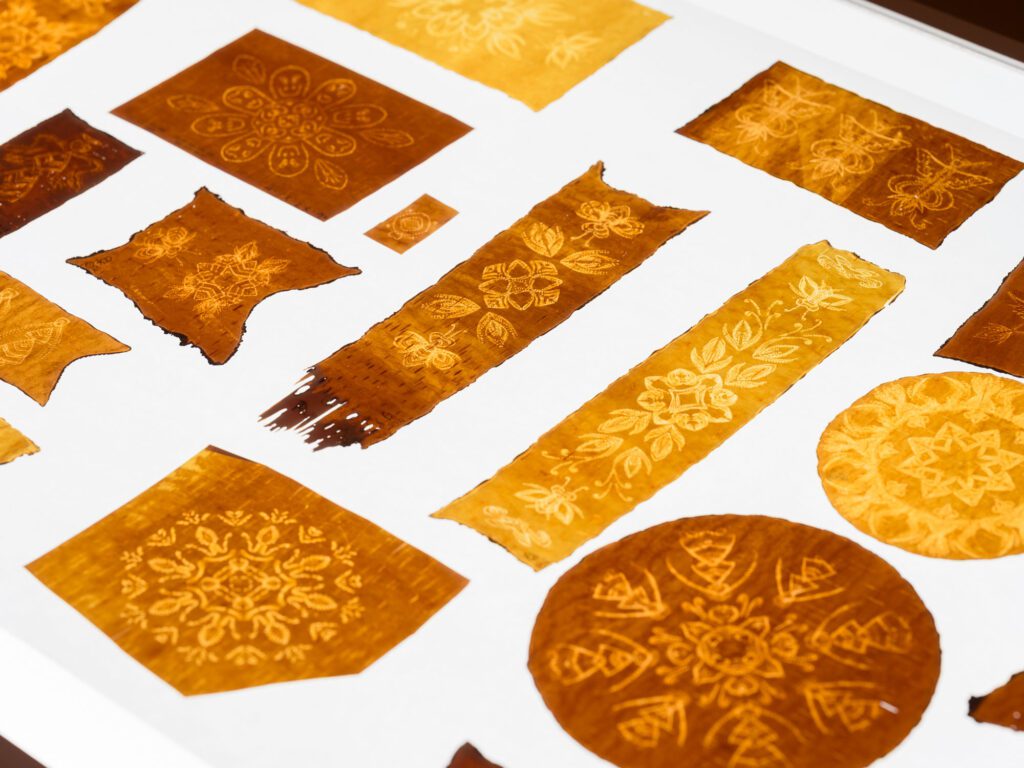
Wiigwasitig / waskway / Honouring the Birch Tree
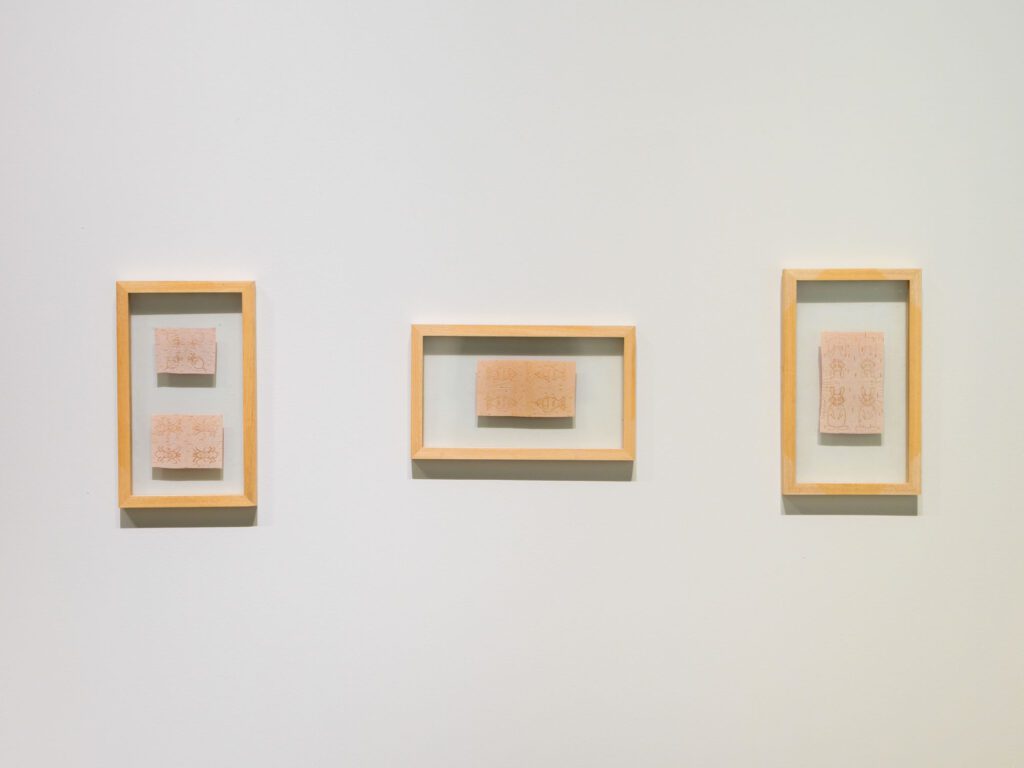
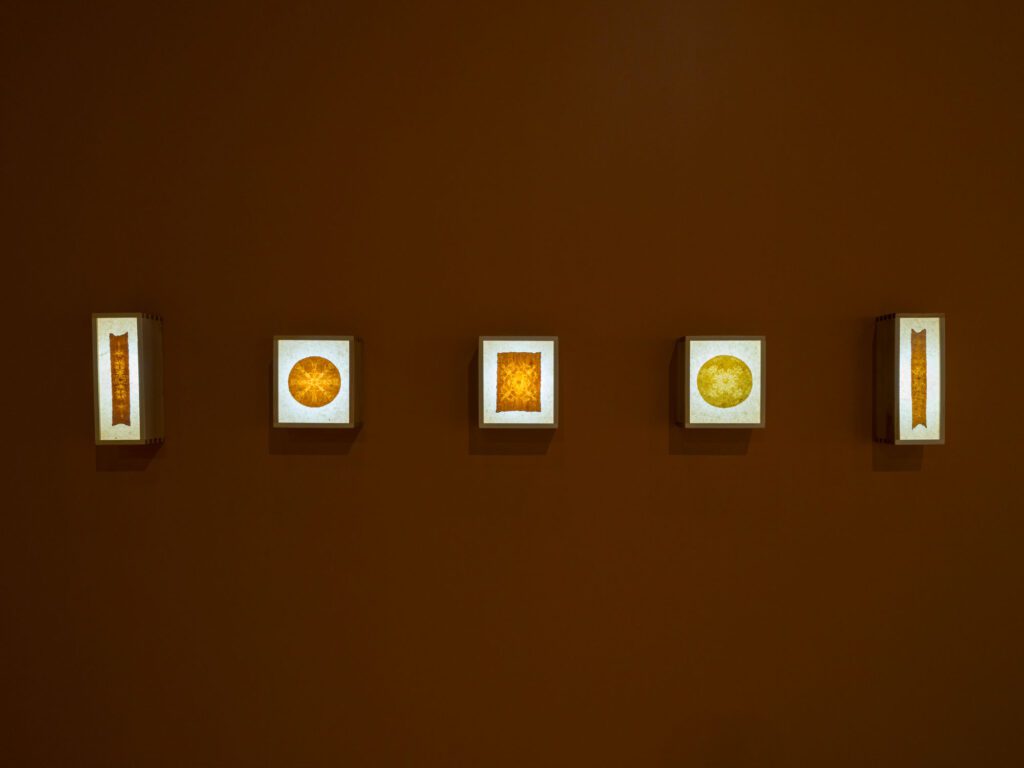
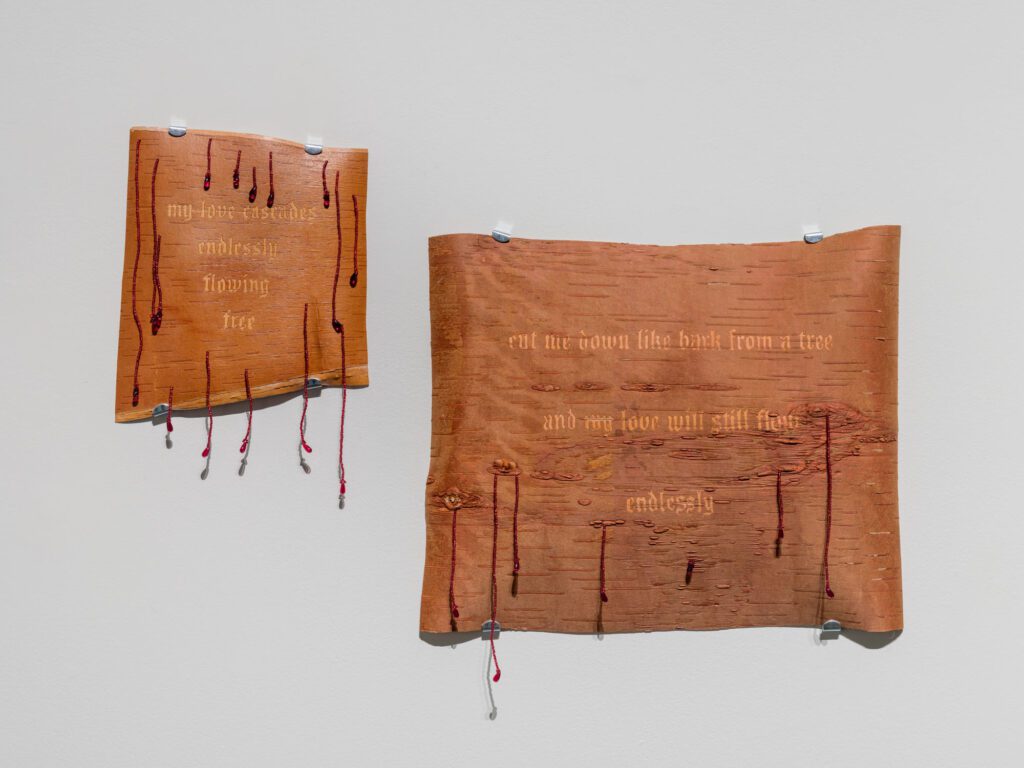
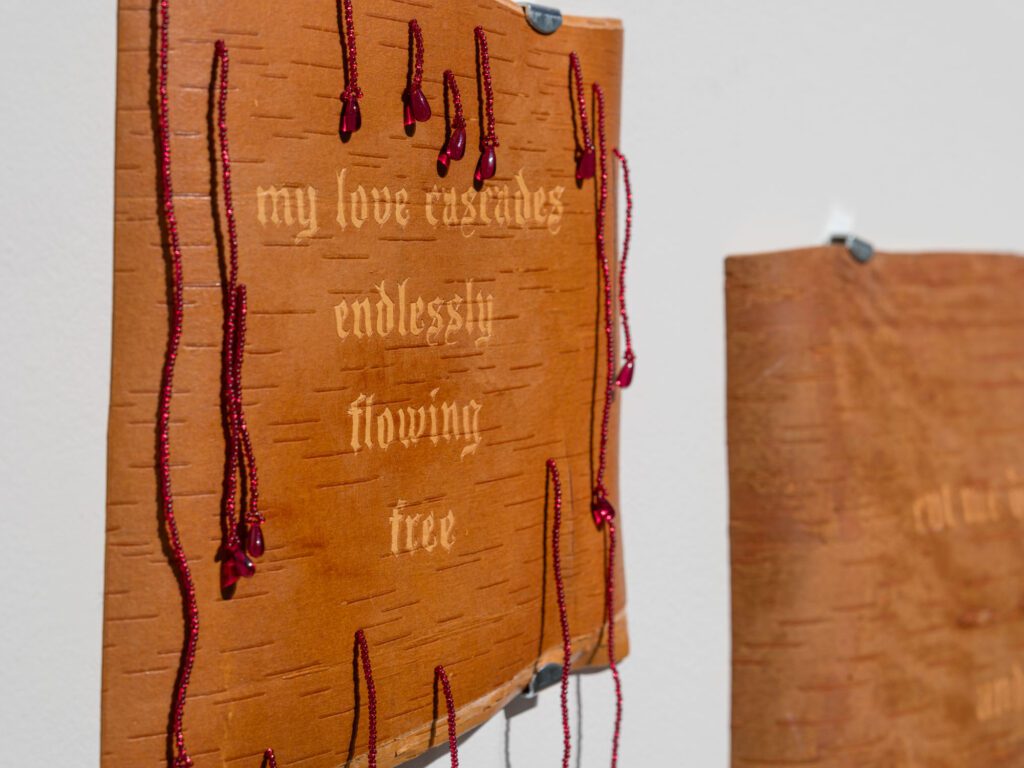
Reflecting on themes of intergenerational knowledge and healing, Wiigwasitig / waskway / Honouring the Birch Tree includes the works of five First Nation artists focusing on birch bark (Wiigwas/waskway). Featuring: Pat Bruderer, Helen Pelletier, Amber Sandy, Seth Arcand, and Angelique Merasty
Curated by Albany Sutherland
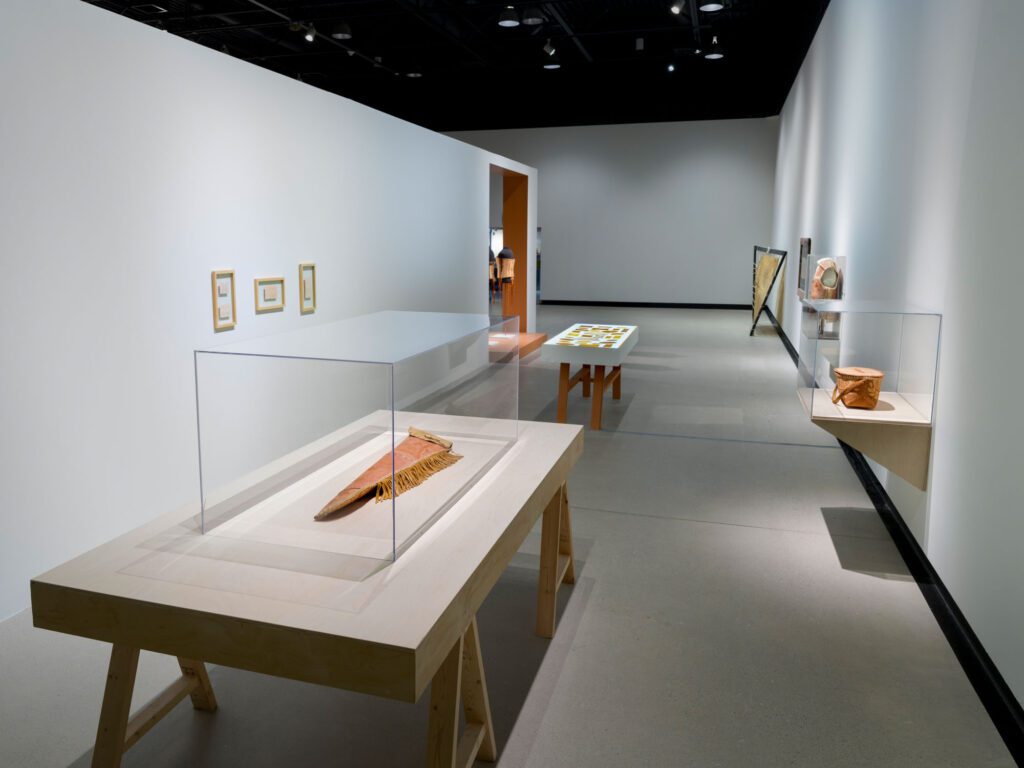
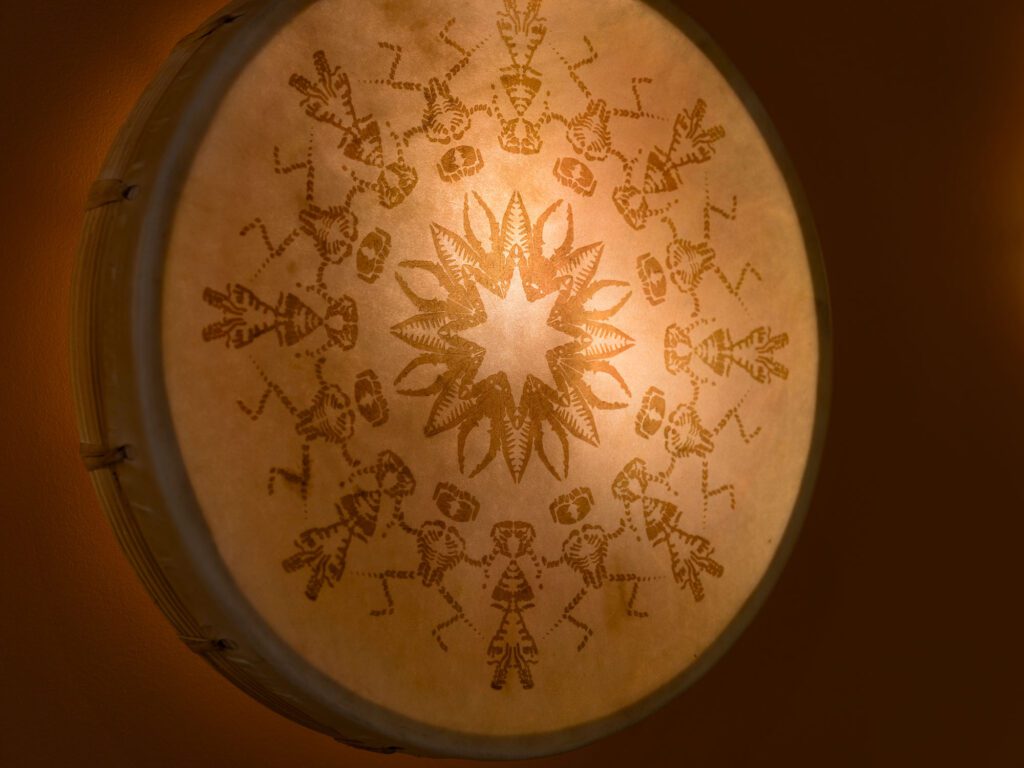
Reflecting on themes of intergenerational knowledge and healing, Wiigwasitig / waskway / Honouring the Birch Tree includes the works of five First Nation artists focusing on birch bark (Wiigwas/waskway). Coming from Anishinaabeg and nêhiyawak communities over several generations, the exhibition features bark biting, baskets, film, photography, and wearable art, through an intersection of traditional and contemporary forms. The works of Pat Bruderer (Halfmoon Woman), Helen Pelletier, Amber Sandy, Seth Arcand and the late Angelique Merasty are curated by Albany Sutherland, opening conversations on the significance of knowledge systems in sustaining relationships with the Land and kin.
As Indigenous knowledge systems continue to be actively revitalized, Wiigwasitig / waskway creates space for cultural continuity by positioning the Gallery as a site for learning, exchange, and the ongoing presence of Indigenous ways of knowing within contemporary art contexts. Each artist featured has strong community ties, as well as a deep connection to the materials they work with, highlighting their responsibility to Land through artistic practice.
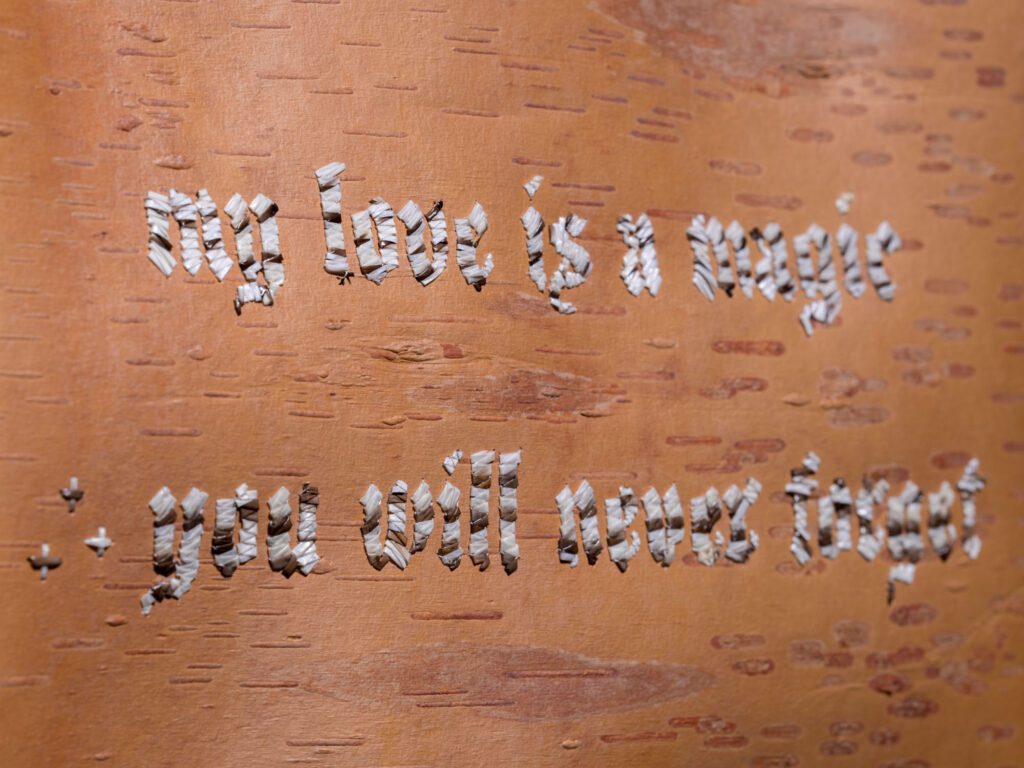
Pat Bruderer, an established birch bark biting artist with over thirty years of experience, is inspired by the work of the late Angelique Merasty, who was believed to be one of the few birch bark biters of her generation. Her intricate designs are created by folding thin layers of bark harvested from birch trees and biting to make imprints. Bruderer has taken the responsibility of sharing this practice by teaching youth across the region.
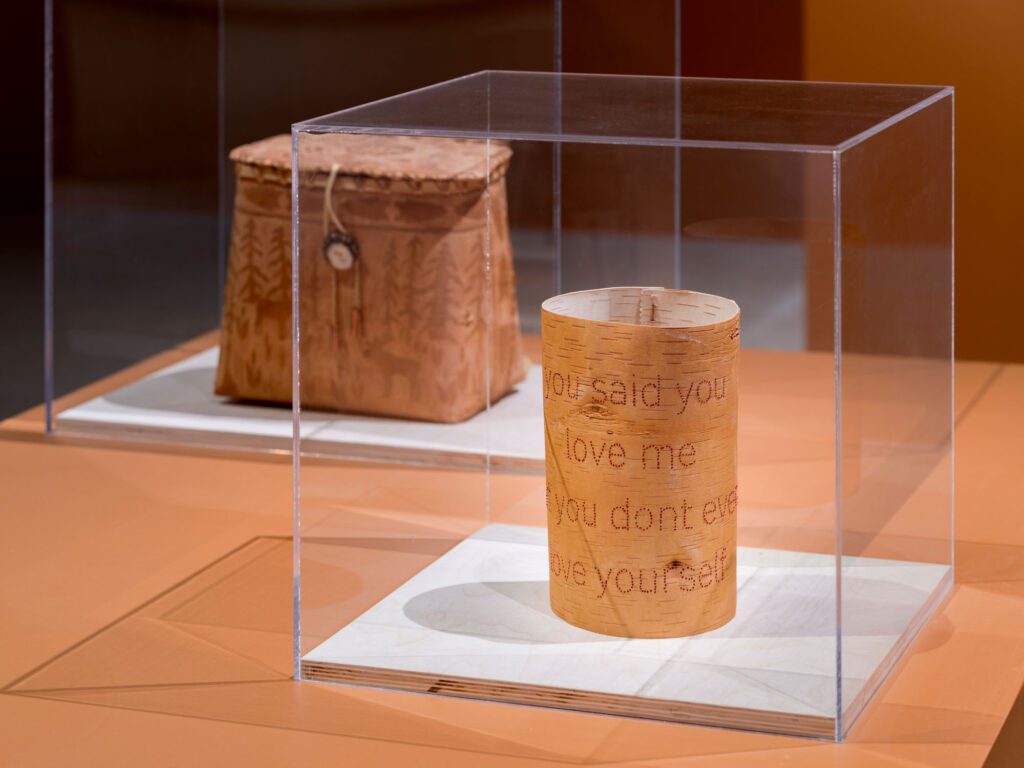
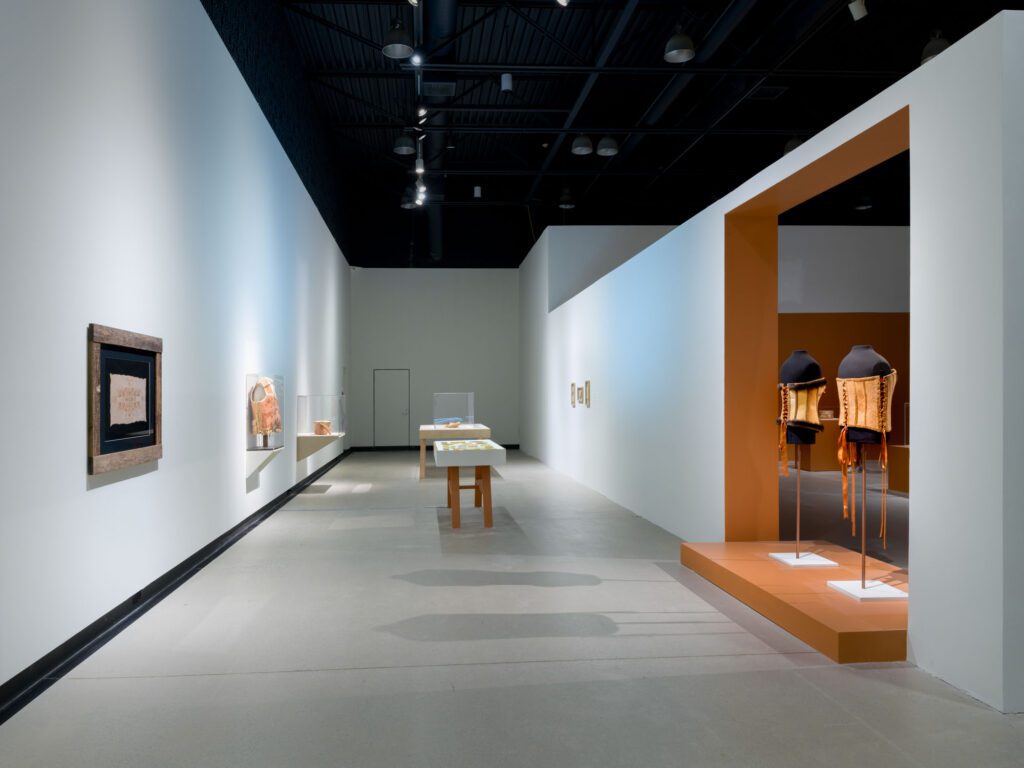
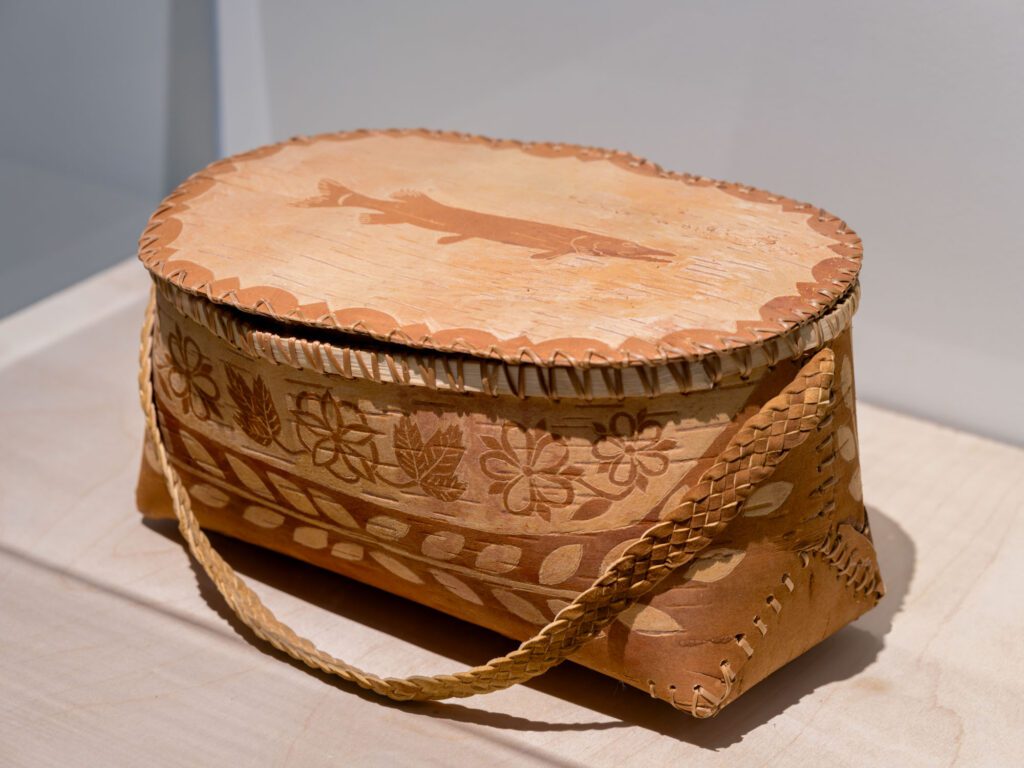
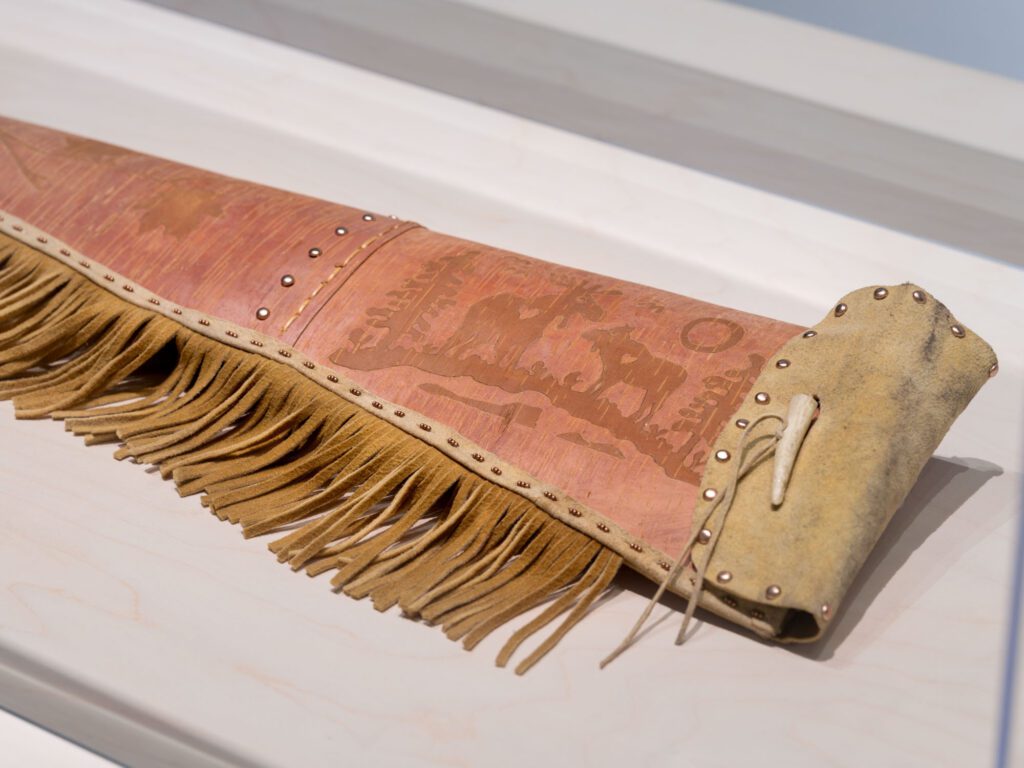
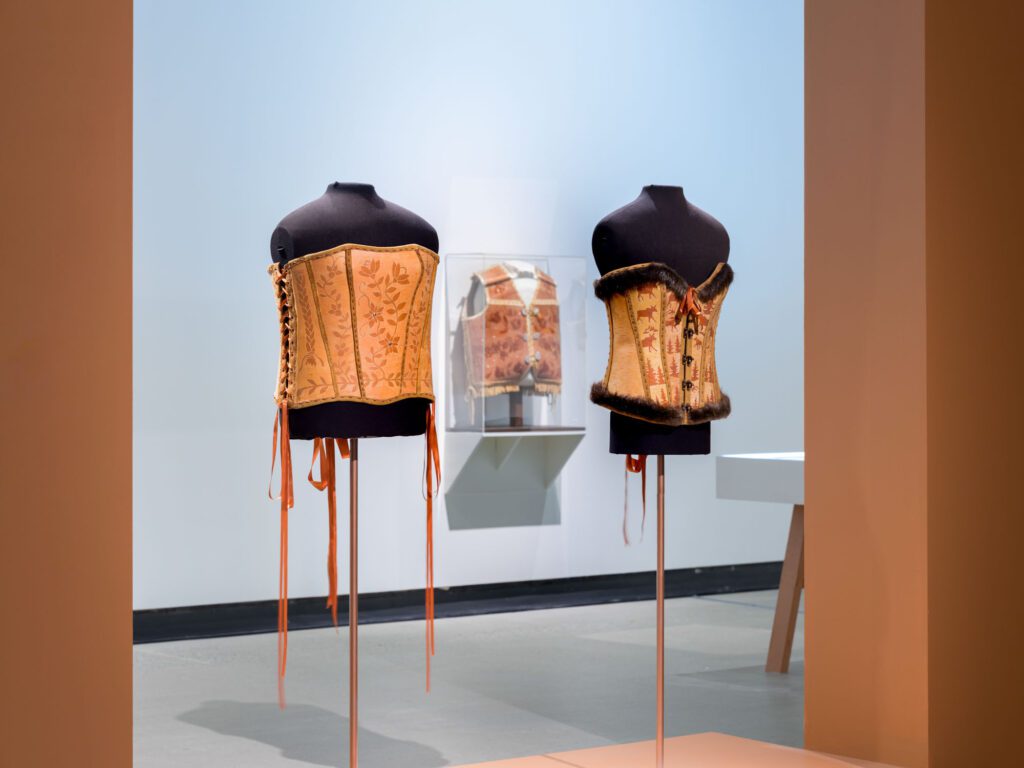
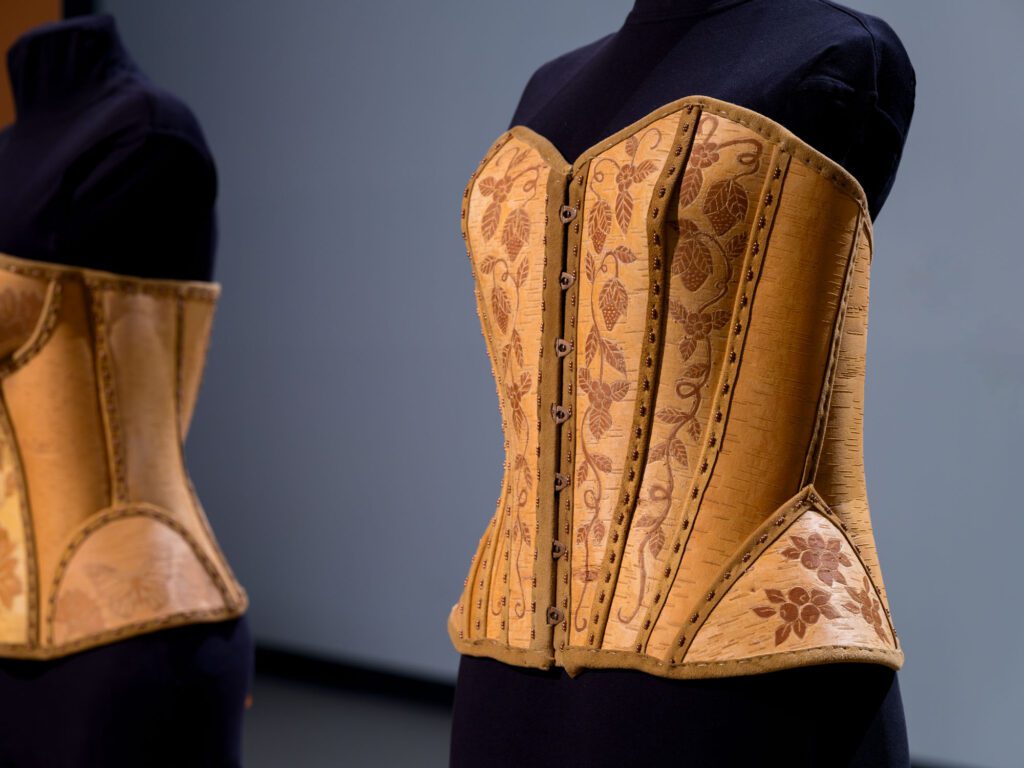
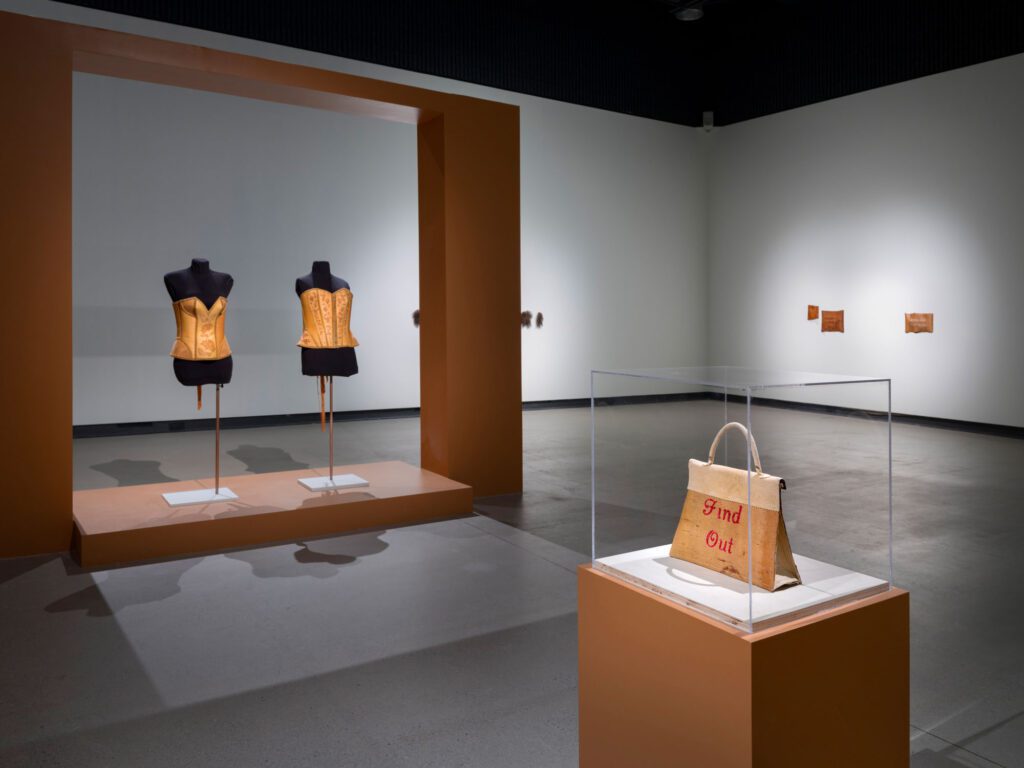
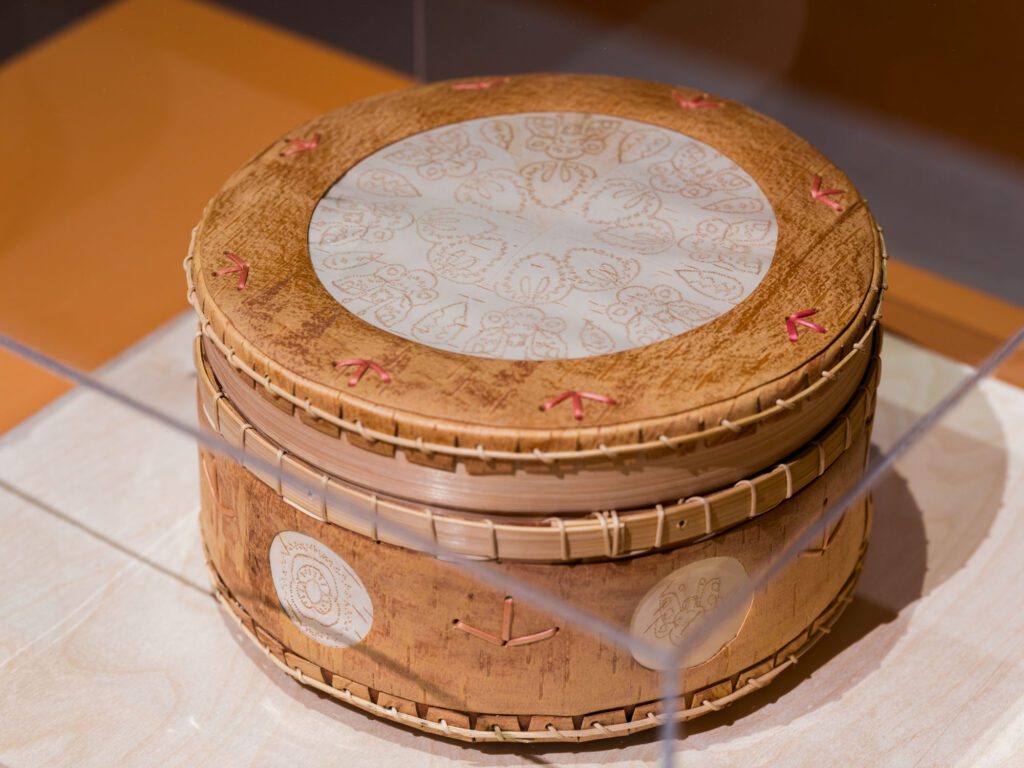
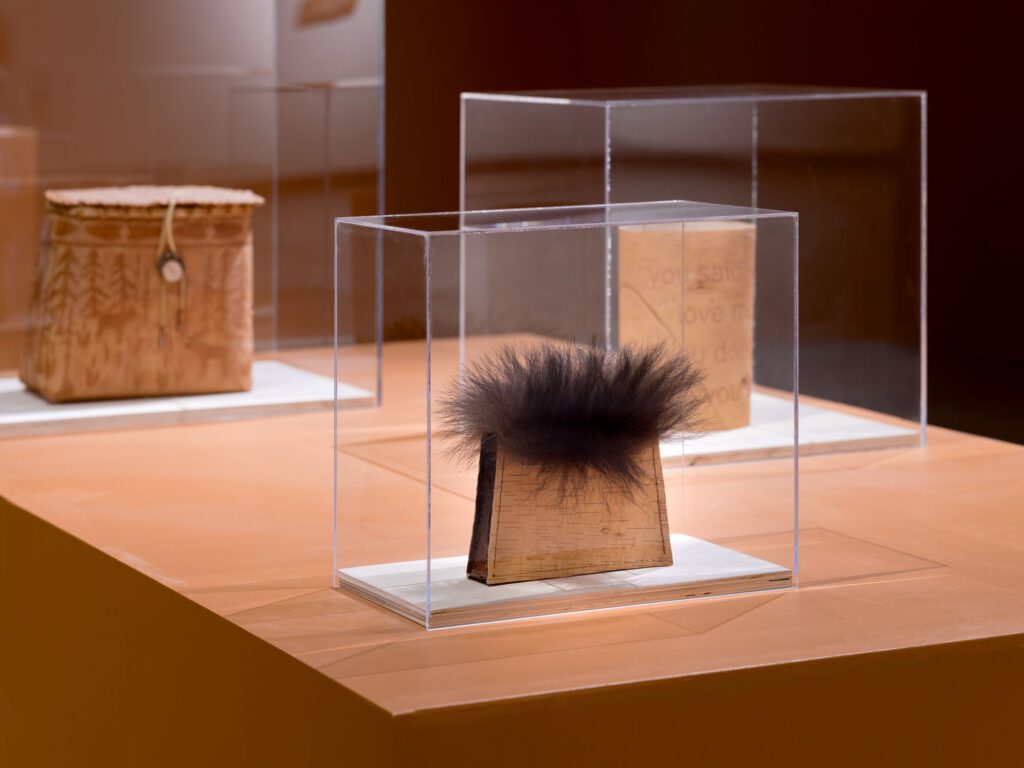
Helen Pelletier is from Fort William First Nation and specializes in working with Wiigwas. For this exhibition, she presents Wiigwas baskets, a rifle case, and wearable art made from birch. Her practice is grounded in ceremony, harvesting bark, and spruce roots used for her work. Pelletier uses etchings to transform natural materials into intricate works that honour the beauty and resilience of Wiigwas.
By sharing her creations with others, Pelletier contributes to the ongoing transmission of Anishinaabe knowledge, demonstrating how artistic practice can serve as a form of medicine and connectivity. The work is further informed by the sacred mountain Anemki Wajiw (Thunder Mountain) on Fort William First Nation, where she harvests annually.
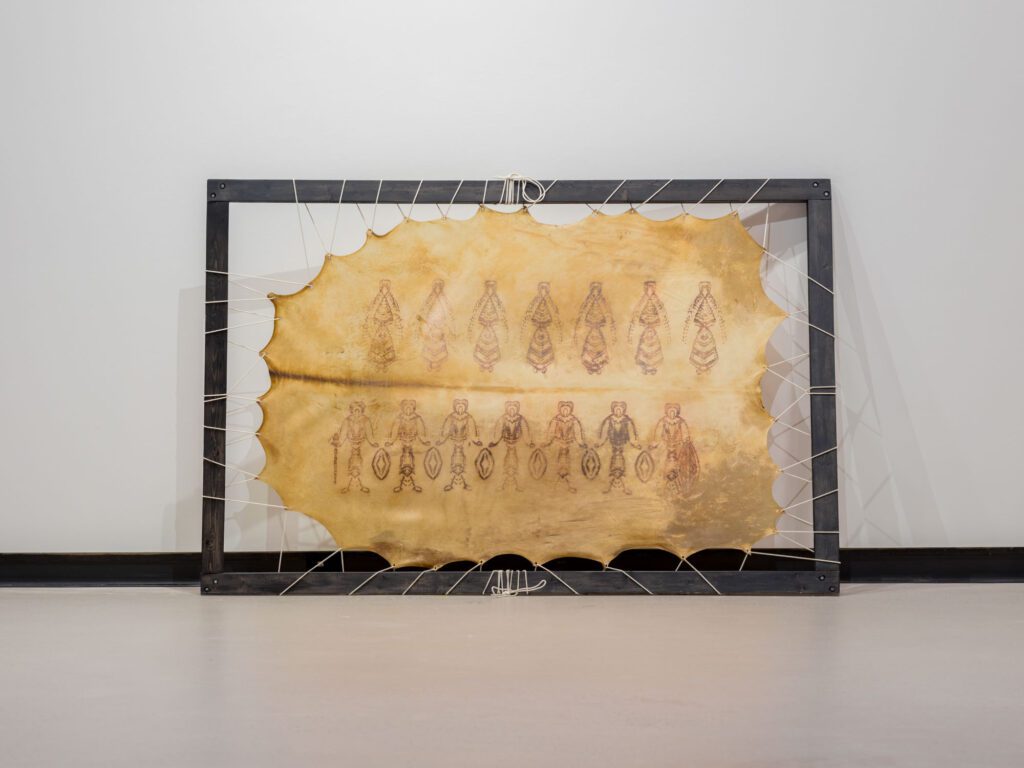
Amber Sandy’s Enchantment reflects intergenerational knowledge sharing, with two rows of quills from two different porcupines – one harvested by artist Jean Marshall and the other by her and her niece last year. Enchantment highlights the deep material significance of continuing traditional practices such as quill work and hide-tanning.
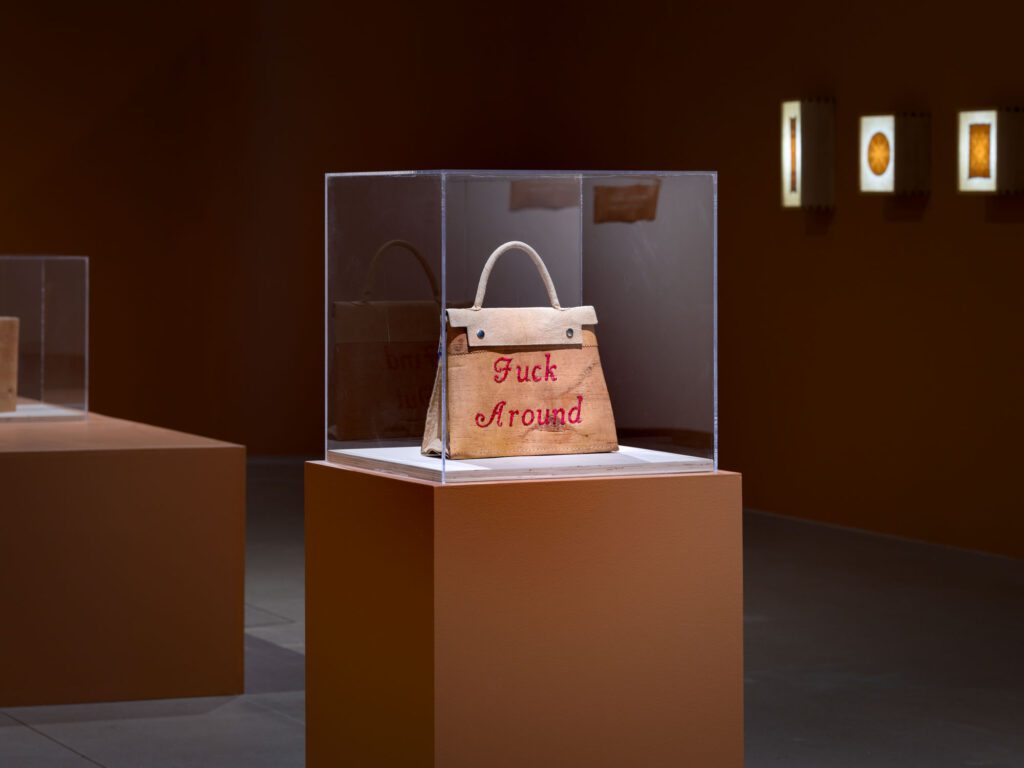
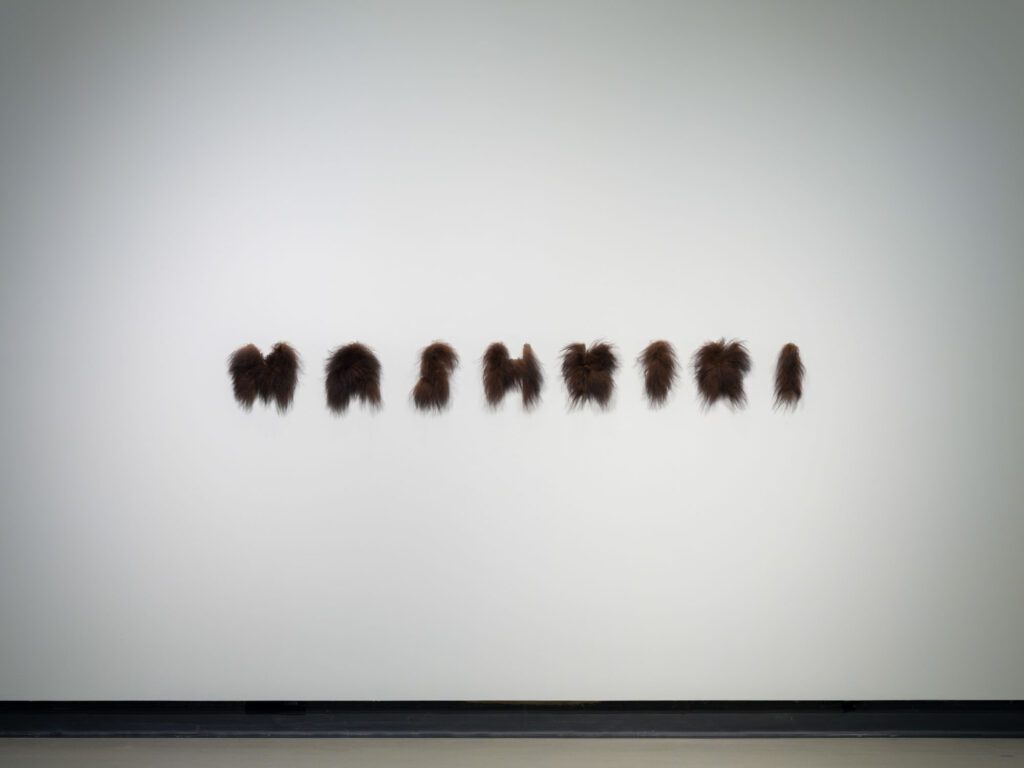
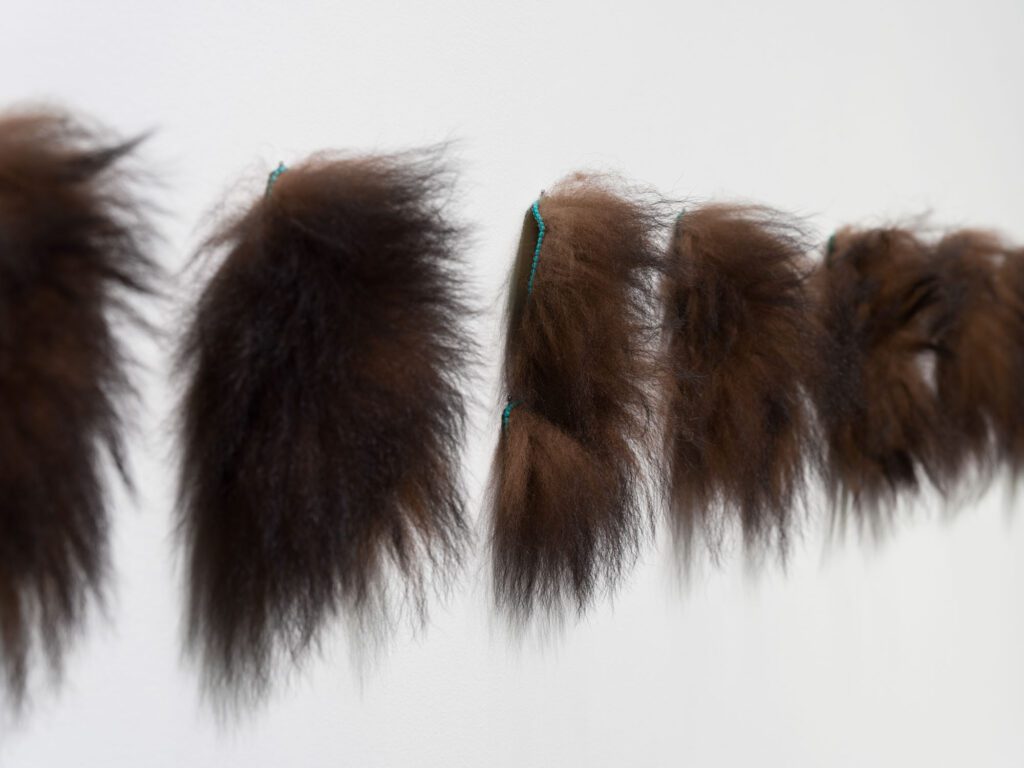
Sandy’s working methods are central to her practice. She has been taught how to tan hide, harvest quills and Wiigwas by mentors, one of them being Helen Pelletier. ‘The Mary’ Birchkin Bag is made from birch bark, home-tanned hide, and dyed porcupine quills, raising questions about the value of community, knowledge, and traditional skills. Mashkiki, meaning medicine in Anishinaabemowin, is created from home-tanned bear hide which speaks to clan roles, and our inherent responsibilities of caretaking in relation to ourselves, our body, spirit, and Land.
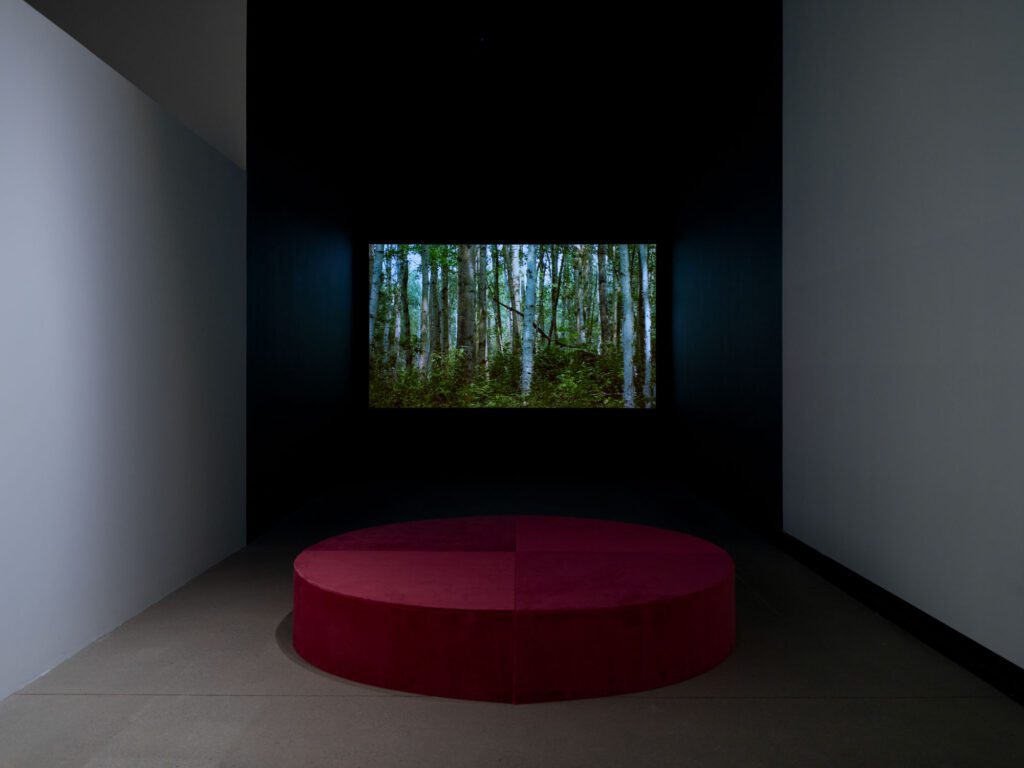
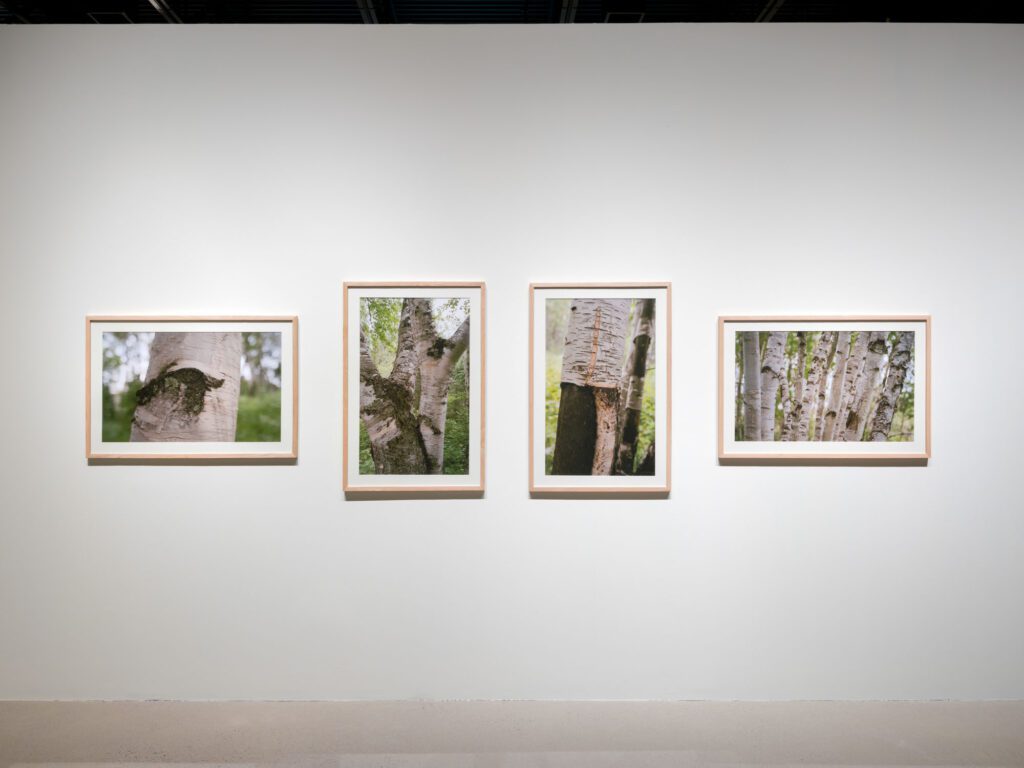
Seth Arcand’s work is a series of photographs, 16mm film, and digital video work that explores how Indigenous peoples interact with waskway. Slow media, which is the intentional production and consumption of media, is used to capture the natural environment’s movements and sounds. His work reflects nêhiyaw (Cree) laws such as wahkohtowin (understanding), defined by Arcand as “the law that states we are in relationship with people, land, animals, and water”. While working closely with his community, visiting and reciprocity are central to his practice to document the experiences of Indigenous people across generations.
The work of Angelique Merasty is significant to this exhibition as it demonstrates the early continuance and preservation of birch bark biting as a vital cultural practice. Her work reflects a deep commitment to sustaining cultural knowledge through periods where these practices were at risk of being lost completely. Angelique continues to inspire future generations of artists to carry the skills and cultural knowledge of birch bark biting forward.
Wiigwasitig / waskway / Honouring the Birch Tree exhibits cultural continuance of knowledge sharing, memory, and relationships across generations. While systems of cultural transmission have been disrupted, these artists are actively engaged in revitalization by sharing their practices with future generations, offering reflections on the resurgence of Indigenous knowledge systems through their practices of making.
——
Wiigwasitig / waskway / Honouring the Birch Tree has been generously supported by TD Bank Group through the TD Ready Commitment and sponsored by The Rotary Club of Burlington Lakeshore. The Art Gallery of Burlington is supported by the City of Burlington and Ontario Arts Council. The AGB’s learning programming has been supported by Culture Days, incite Foundation for the Arts, and Canada Council for the Arts.
Gallery
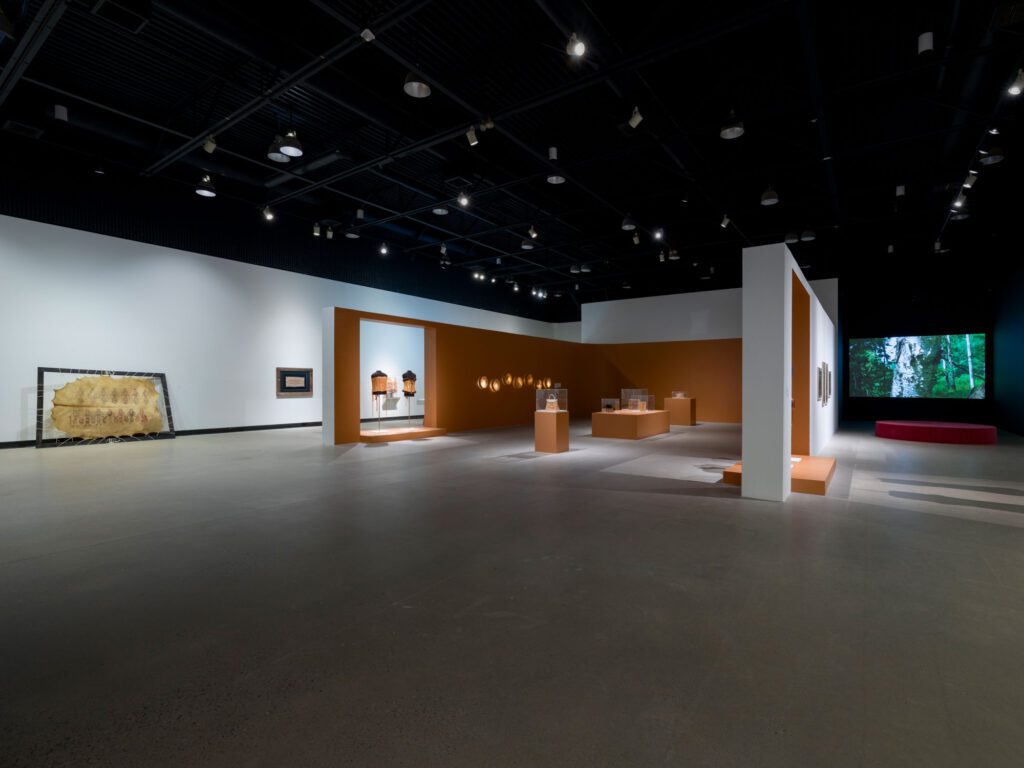
Exhibition documentation by Darren Rigo
Meet the
artists
Pat Bruderer (Halfmoon Woman) is a leading keeper of the rare Indigenous artform of Birch Bark Biting. Self-taught and inspired by the late Angelique Merasty, she has spent more than three decades preserving and sharing this ancient practice, which she calls “Passing a Tradition.” She is a proud member of the Peter Ballantyne Cree Nation in Saskatchewan. Her intricate birch bark designs have been shown internationally and are held in museums, galleries, and private collections. Now based in Winnipeg, she continues to teach, exhibit, and inspire through cultural workshops and exhibitions such as Biting Back Our Cultural Resilience, celebrating the strength and beauty of Indigenous art and knowledge.
Helen Pelletier is an Anishinaabe kwe from Fort William First Nation. Helen has worked with Wiigwas for twenty years and recently developed a relationship with winter birchbark and sgraffito style etching. Helen credits her Wiigwas knowledge to family, community, elders, and friends. Helen has exhibited her work in “Their Breath in Beads” (2019) and the Northern Ontario Juried Exhibition in 2019 and 2022 at the Thunder Bay Art Gallery. Helen also exhibited her work Indigenous Fashion Arts Festival marketplace in the Northern Ontario Spotlight in 2020.
Amber Sandy, a proud member of Neyaashiinigmiing, the Chippewas of Nawash First Nation, is an artist and passionate advocate of land-based education. Her artistry, which focuses on leather, beadwork, tufting, and fur, is deeply rooted in her culture. As a hide tanner, she meticulously transforms moose, deer, and fish skin into handcrafted leather. Her work is a harmonious blend of Indigenous and Western science, reflecting her unique approach to conversation, environmental science, and education. Amber’s fervor lies in increasing access to traditional land-based knowledge, practices, and art for Indigenous people.
Seth Arcand is a Cree filmmaker from the kipohtakaw Cree Nation (Alexander) in so called Alberta. His interests lie in exploring Indigenous stories through film and photography. As a filmmaker, he hopes to open more opportunity for other Indigenous filmmakers interested in the industry. This means creating spaces on the prairies where Indigenous filmmakers are comfortable and supported in taking risks, while challenging what is expected of Indigenous Creatives. Visiting and reciprocity are important aspects of his creative process. Seth completed a certificate in the Indigenous Digital Filmmaking Program at Capilano University and was selected to participate in Write Over Here: Indigenous Screenwriting Residency 2025 at Banff Centre for the Arts. Still residing in kipohtakaw, Seth is connected to his community and is still learning about his culture as he believes this is a lifelong process.
Angelique Merasty was born in 1924 in Beaver Lake, Manitoba, and was a member of the Peter Ballantyne Cree Nation. She learned the traditional art form of birch bark biting from her mother, Susan Ballantyne, and developed her own style and patterns inspired by flowers, animals, and insects. While birch bark biting began as a pastime, museums and collections sought her exceptional work. As she gained more experience, she could visualize the entire picture she wanted to create before beginning and would pause only after completing the entire design. The Thunder Bay Art Gallery has a significant collection of Merasty’s work and presented her first solo exhibition in 1983 entitled Wigwas: Bark Biting by Angelique Merasty, including an educational display across the region. Her work can be seen at the Museum of Man and Nature in Winnipeg and is on permanent display at the Smithsonian Institute in Washington, D.C.