
Celina Eceiza: A material called Earth, Volume 1: The life of corners
Curated by Sylvie Fortin
At the Art Gallery of Burlington (AGB), art is not something that exists outside of the present moment, but is a way of living through it. We are drawn to practices that bend the binary between contemporary art and craft and work with those who find criticality in the handmade by challenging how material traditions and technologies are perceived. It is this spirit that makes Celina Eceiza’s work and Sylvie Fortin’s curatorial practice feel so at home here. Both move fluidly between registers, gathering in collaborators, blurring the boundaries between making and thinking, and insisting that no creative act is ever singular. A material called Earth is, in every sense, a natural extension of how we believe art and craft can be lived.
Volume 1: The life of corners, the first manifestation of Celina Eceiza’s ambitious project, A material called Earth, welcomes visitors into an ephemeral architectural space that radically transforms AGB’s Lee-Chin Family Gallery. Made of colourful, hand-dyed, stitched, embroidered textiles and large-scale drawings that cover the walls, floors, and ceilings, the installation’s furnishings invite us to linger, explore, rest, meet, and let our imaginations roam. The work becomes a space of joyous interdependence, with an immersive narrative that toggles between registers, claiming our embodied attention.
Conceptually and performatively spun from the inside out—like a bird’s nest or a child’s fortress improvised in a snowbank—this immersive environment plays host to motley sculptures ranging in scale from palm-sized to near-monumental. Some are soft, waiting to hold our bodies. Others, hard and mottled, gently cradle colourful ceramics—escapees from the AGB’s collection storage shelves that have erupted through the gallery floor. With this careful inclusion of other artists’ works, Eceiza’s installation casts off the lingering myth of artistic “genius” and the privileged, profitable format of the solo exhibition. Instead, The life of corners declares every exhibition or creative initiative is collective. No one ever does anything alone.
El artista nunca piensa solo [The Artist Never Thinks Alone] is, in fact, the title of one of several oversized books. The book provides an illustrated index of Eceiza’s artistic entanglements: made of fabric, each page pays homage to an artist who has shaped Eceiza’s understanding of art—its purpose and potential—and distills what she has learned from their work. In scale, materiality, and process, El artista nunca piensa solo eschews quaint, transactional notions of artistic genealogy, influence, inspiration, and appropriation. Instead, the book’s impassioned stitches and hints of fandom bear witness to an intimate, desiring attention close to the practice of copying. They also serve as Eceiza’s compass and talisman for her first exhibition in Canada.
Eceiza’s work relies on the commitment and skillful hands of many local collaborators working in concert to give form to her vision. The life of corners carries the traces of their touch in the stitches and folds that are as unique as a signature or biometric imprint. The installation asserts that artmaking is a choral-like practice involving other artists—including you and me—who are real and imagined, from the past or to come—for attention itself is an art.
Today, when many sense that the centre no longer holds, if it ever did, A material called Earth offers The life of corners. To the loneliness of the singular centre, the installation substitutes an elsewhere that is already here, bustling with multiple, situated, social entanglements. The life of corners welcomes us, as visitors and participants, into a universe where beauty and pleasure manifest wherever networks of living, moving relations thrive. In this exhibition, concept and material unapologetically advance a renewed, embodied criticality that circulates wildly. Won’t you join in?
—Sylvie Fortin
Curatorial Statement : A material called Earth
A material called Earth is a strange and wonderful thing. Or rather, it is a string of things precisely unfurled, one place after another, over three years across the North American continent. A material called Earth is also a curatorial experiment, a laboratory, and a necessity: it weaves concept, committed and situated methodology, iterative ethos, solidarity, and immersive form as it trades across material and discursive registers. A material called Earth tests how migratory exhibition forms might enrich our artistic and social ecosystems and enhance our resilience. Refusing singularity, A material called Earth is anything but a touring exhibition, that quaint fable with deep imperial roots: it is about movement, travel, elaboration . . . a ledger-less, accrual-shy and/and/and.
A material called Earth explores how an exhibition might move as it travels by foregrounding its impermanence and situatedness, and the ways it channels energies, circulates resources, entangles economies, gifts experiences, and metabolizes images and ideas. A material called Earth actively explores what an exhibition leaves behind and what it moves forward as it reconfigures, or rather, recycles itself. Consequently, its approach differs categorically from the usual practice of adapting a project to a space and a context: it is more intimate, more vulnerable, more critical, and more committed. It requires us—the curator and the artist—to pay close attention to our every encounter (social, economic, political, material, spiritual) so that we can bear witness to what we carry and carry with us, what we share and what we and shed from one place to another—and at what cost.
—–
A material called Earth, Volume 2 will be invested at Mount Saint Vincent University Art Gallery, Halifax, Nova Scotia, from September 12 to November 14, 2026.
A material called Earth, Volume 3 will materialize at Burnaby Art Gallery, Burnaby, British Columbia, from June 24 to August 29, 2027.
Other volumes will be announced soon.
——
A material called Earth is generously sponsored by Canada Council for the Arts. The Art Gallery of Burlington is supported by the City of Burlington, Ontario Arts Council, and Ontario Trillium Foundation. The AGB’s learning programming has been sponsored by The Burlington Community Foundation, The Joyce Family Foundation, and the Incite Foundation for the Arts.
—-
The exhibition includes ceramic works by Jacob Ahrens, Scott Barnim, Keith Campbell, Bruce Cochrane, Harlan House, Jim Hong Louie, Paul Mathieu, Denise McKay, Mary McKenzie, Mary Philpott, Kasia Piech, Karla Rivera, Barbara Taylor, and Donna Harris Wechsler.
The book, El artista nunca piensa solo [The Artist Never Thinks Alone], includes cameo appearances by Sergio Avello, Melé Bruniard, Mildred Burton, Feliciano Centurión, Germaine Derbecq, Noemí Gerstein, Juan Grela, Alberto Heredia, Aid Herrera, Lido Iacopetti, Alfredo Londaibere, Liliana Maresca, Dignora Pastorello, Lidy Prati, Juan del Prete, and Yente.
With the assistance of the AGB’s team: Suzanne Carte, Hannah deJonge, Helen Liene Dreifelds, Heather Kuzyk, Stephanie Vegh, Rollin King, Joseph Thomson, Breanna Shanahan, Conner Drake, Kate Jackson, Gabbrielle Knapp and the team of volunteer sewing assistants.
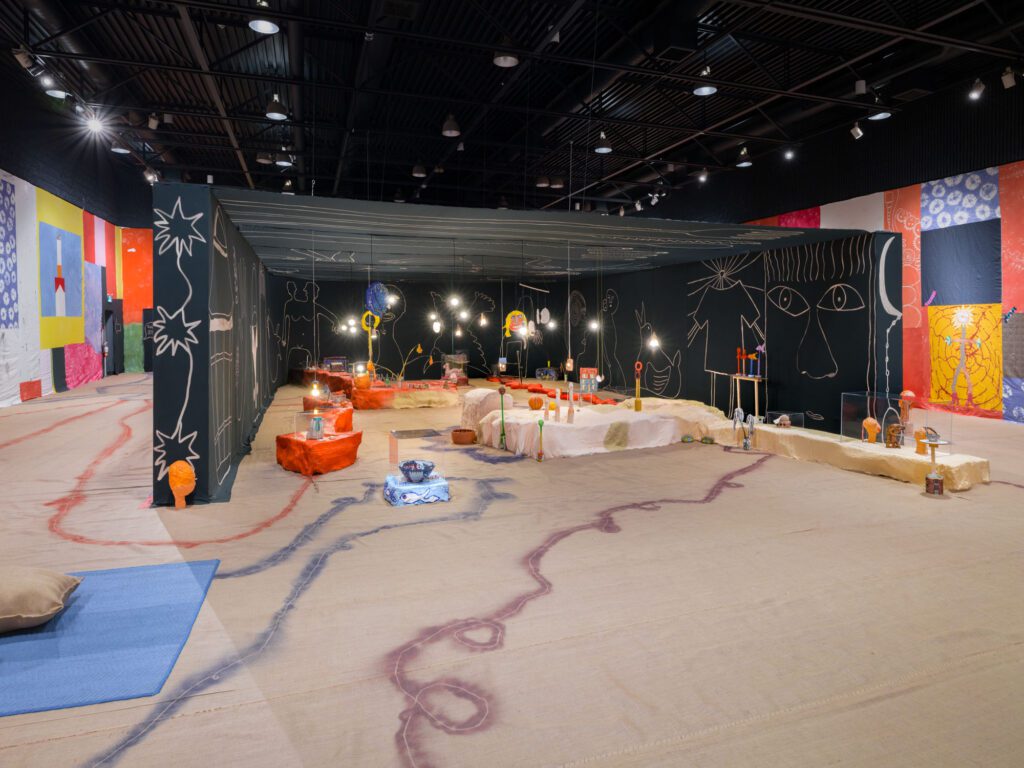
Celina Eceiza, A material called Earth, Volume 1: The life of corners, 2026. Site-sensitive installation. Art Gallery of Burlington. Photo: Darren Rigo
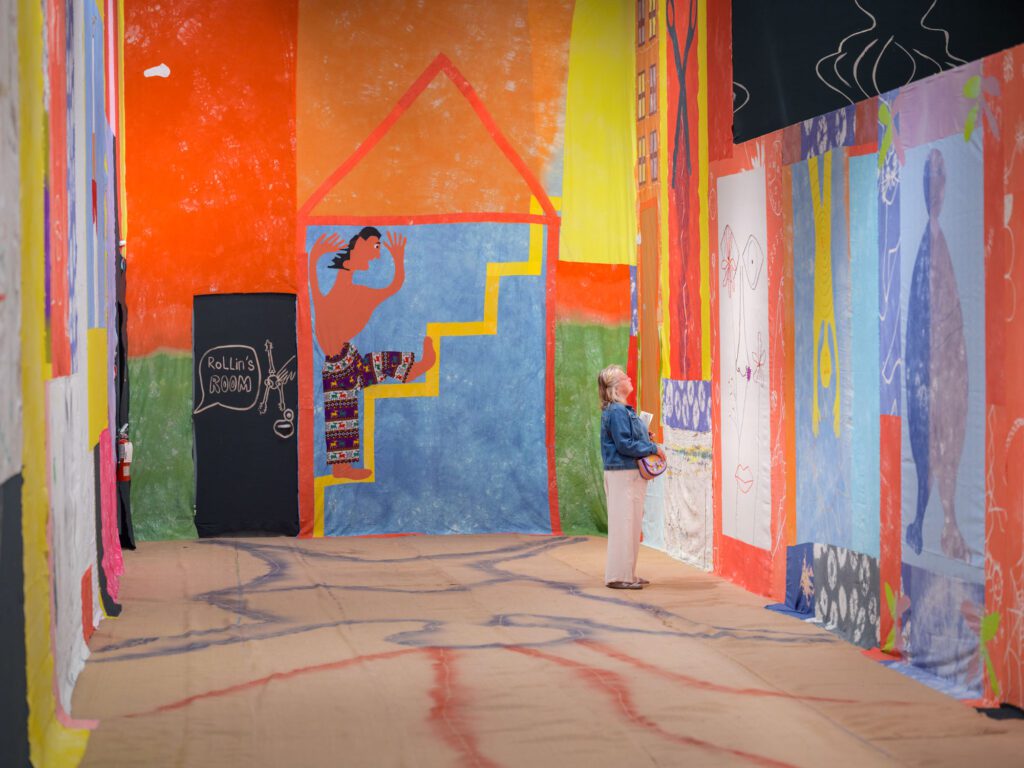
Celina Eceiza, A material called Earth, Volume 1: The life of corners, 2026. Site-sensitive installation. Art Gallery of Burlington. Photo: Darren Rigo
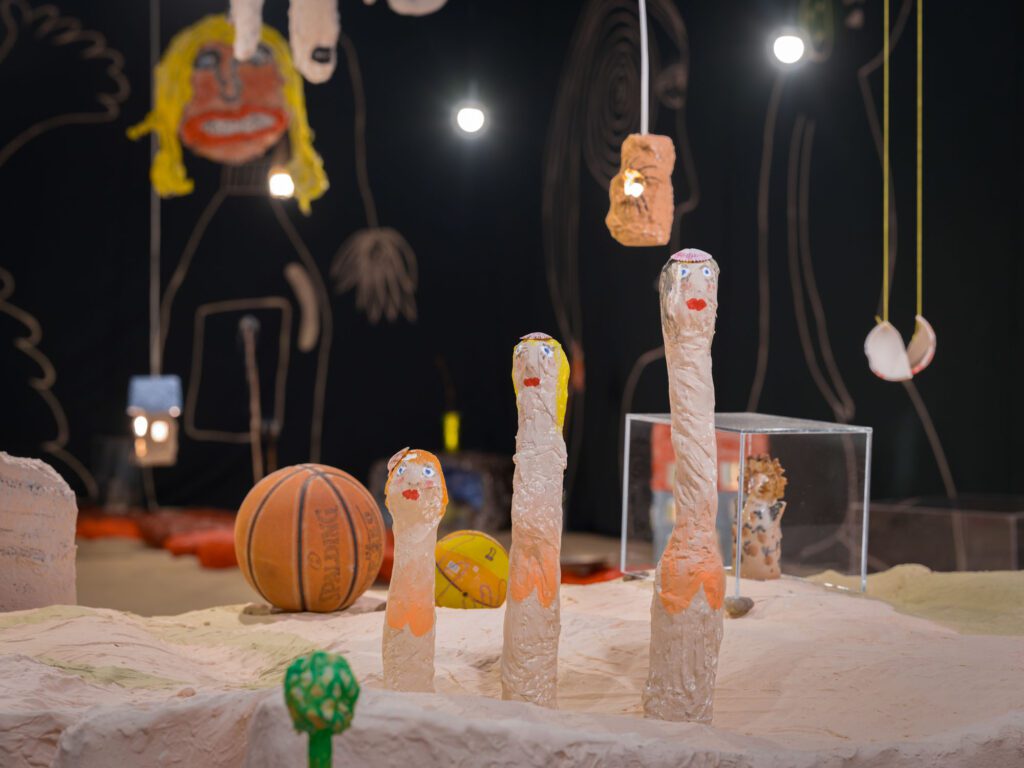
Celina Eceiza, A material called Earth, Volume 1: The life of corners, 2026. Site-sensitive installation. Art Gallery of Burlington. Photo: Darren Rigo
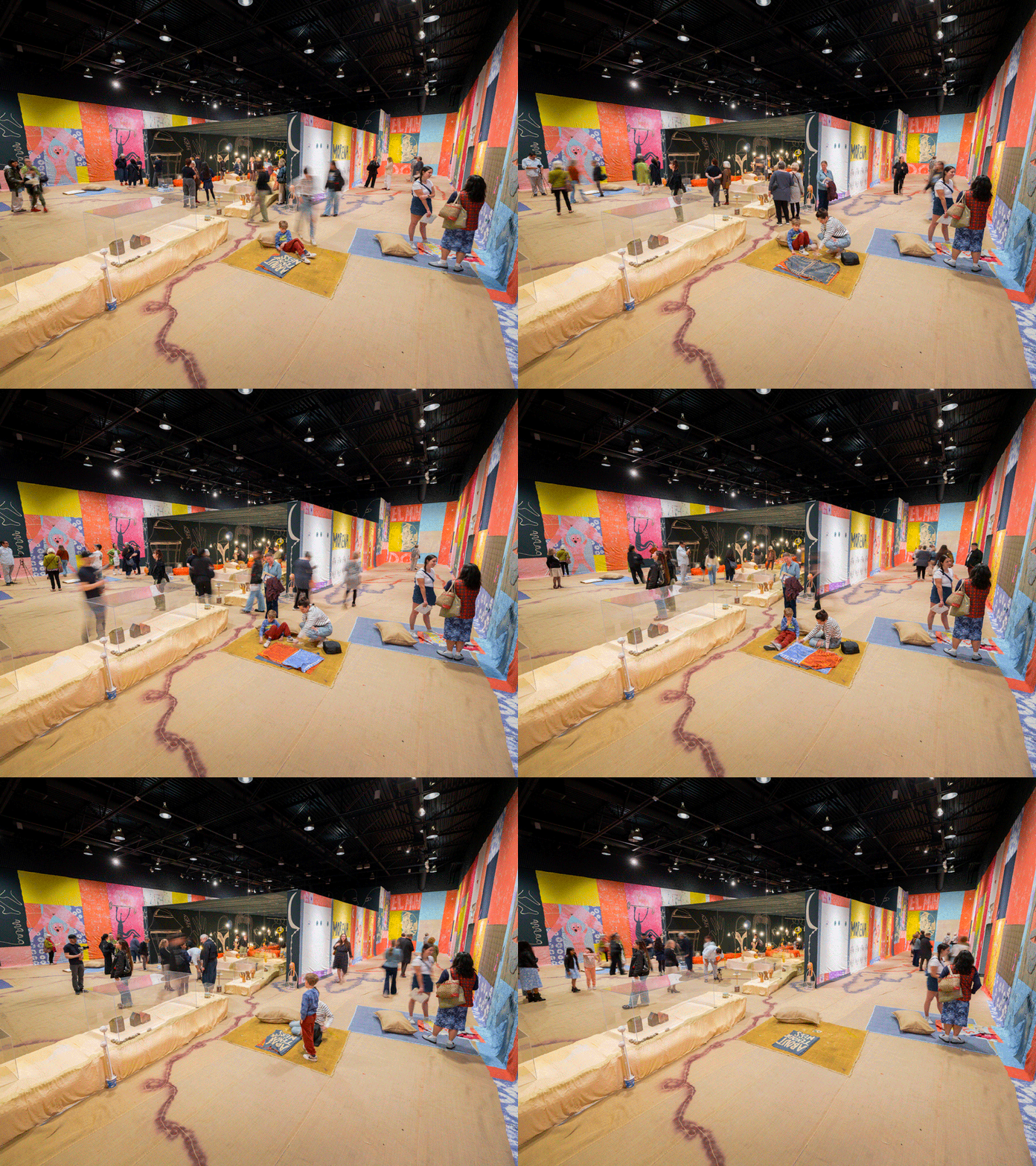
Celina Eceiza, A material called Earth, Volume 1: The life of corners, 2026. Site-sensitive installation. Art Gallery of Burlington. Photo: Darren Rigo
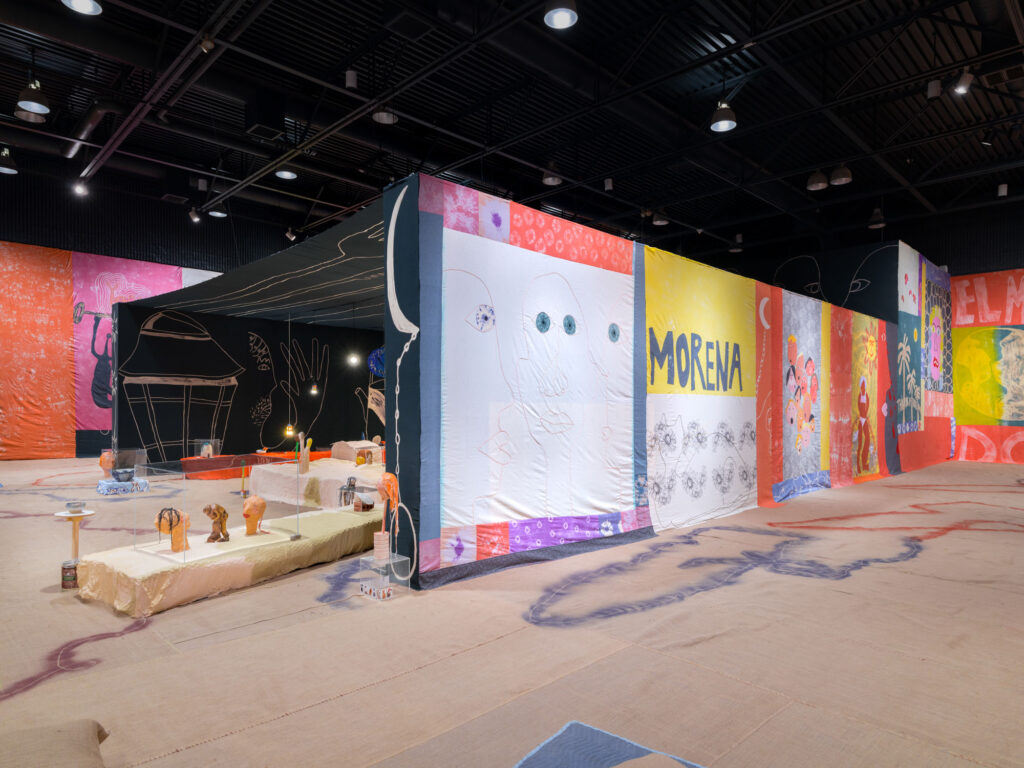
Celina Eceiza, A material called Earth, Volume 1: The life of corners, 2026. Site-sensitive installation. Art Gallery of Burlington. Photo: Darren Rigo
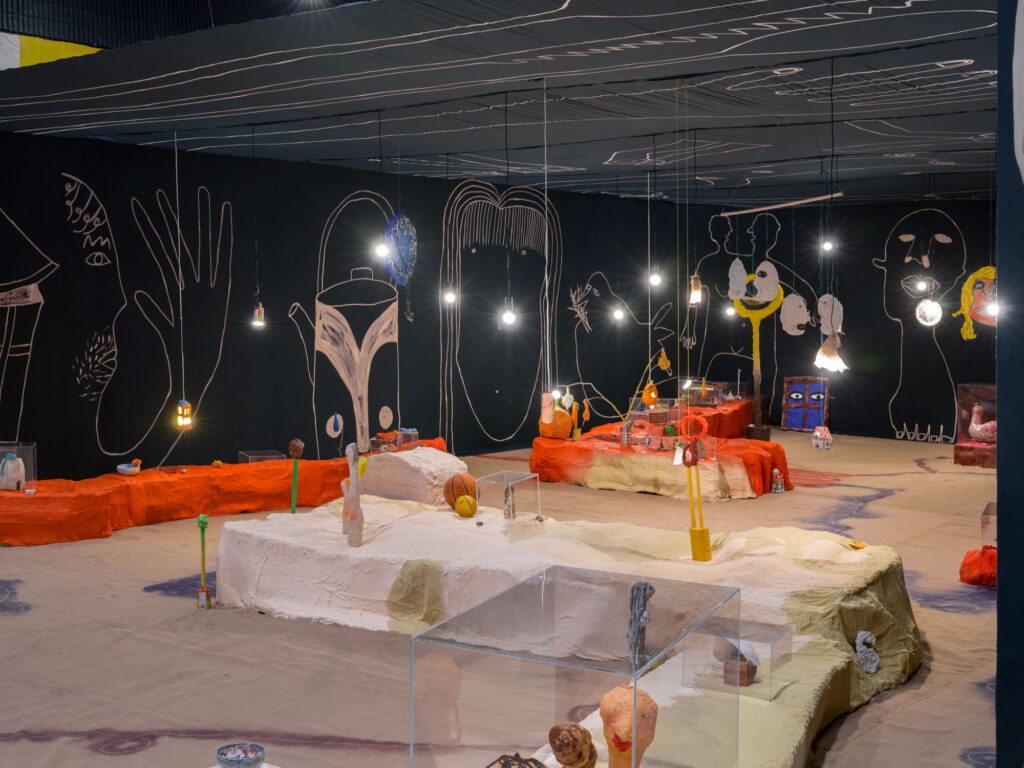
Celina Eceiza, A material called Earth, Volume 1: The life of corners, 2026. Site-sensitive installation. Art Gallery of Burlington. Photo: Darren Rigo
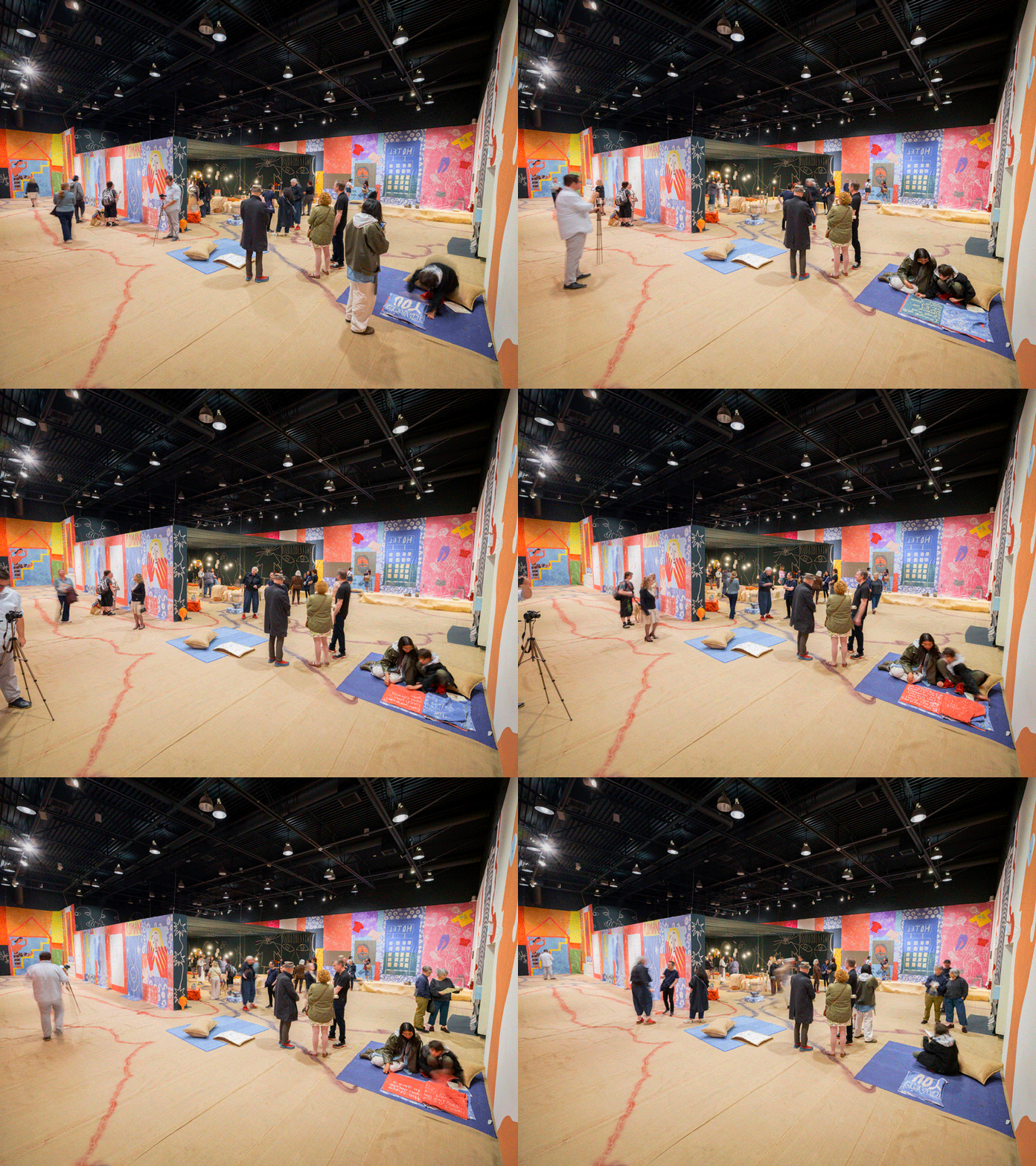
Celina Eceiza, A material called Earth, Volume 1: The life of corners, 2026. Site-sensitive installation. Art Gallery of Burlington. Photo: Darren Rigo
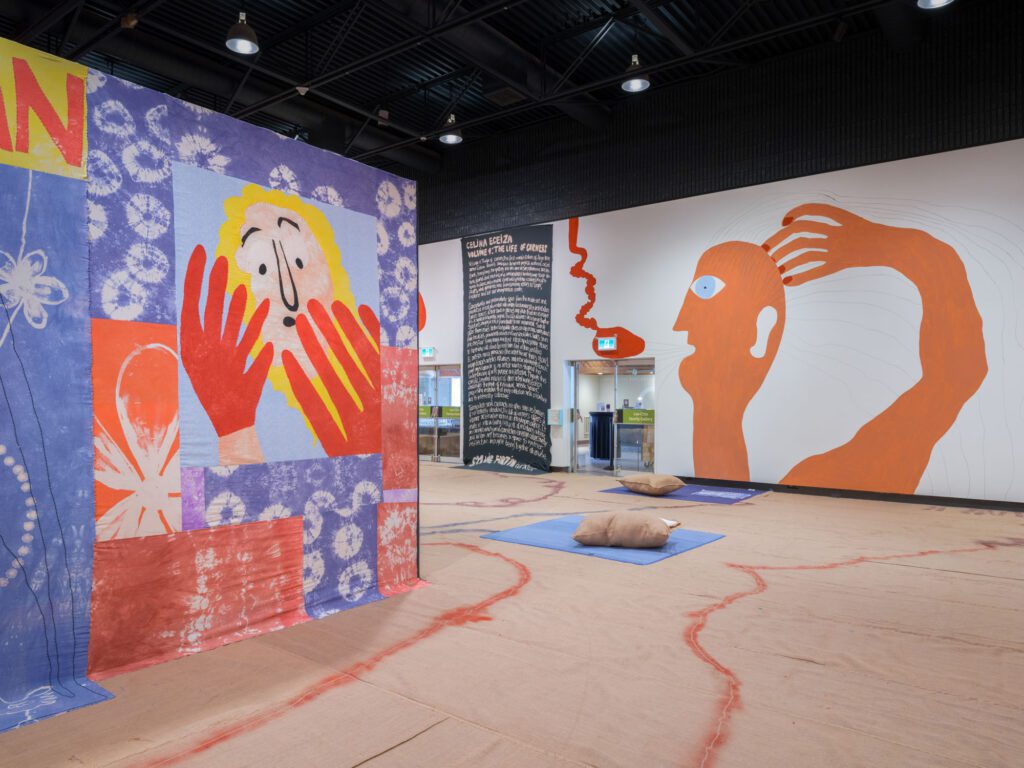
Celina Eceiza, A material called Earth, Volume 1: The life of corners, 2026. Site-sensitive installation. Art Gallery of Burlington. Photo: Darren Rigo
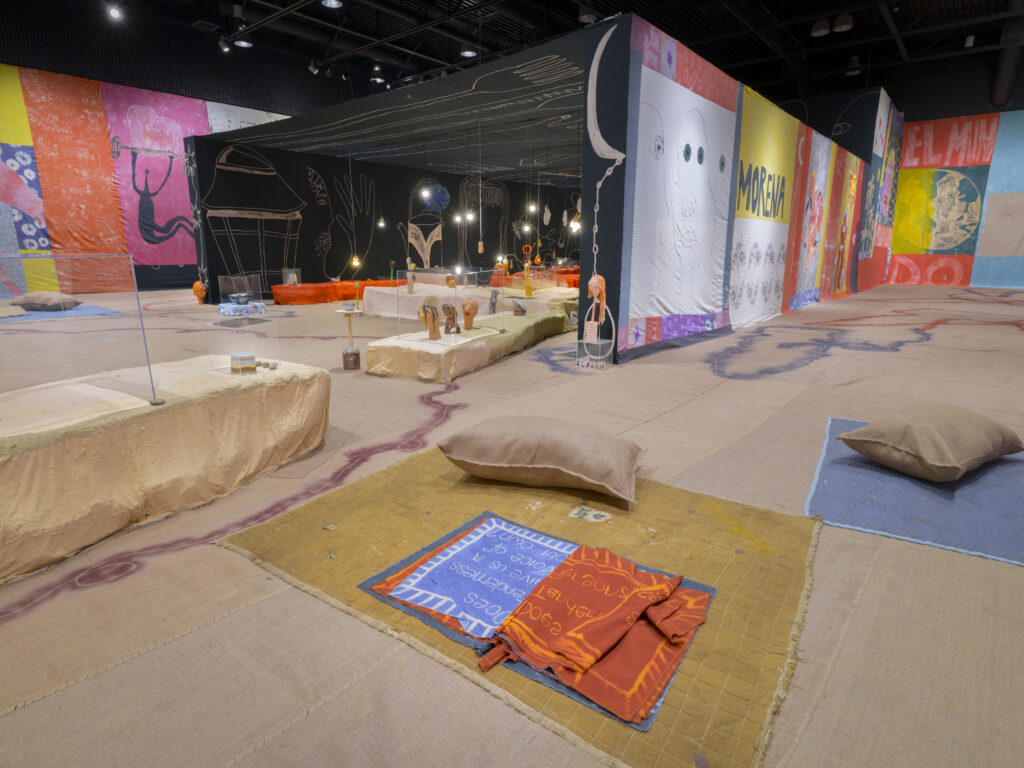
Celina Eceiza, A material called Earth, Volume 1: The life of corners, 2026. Site-sensitive installation. Art Gallery of Burlington. Photo: Darren Rigo
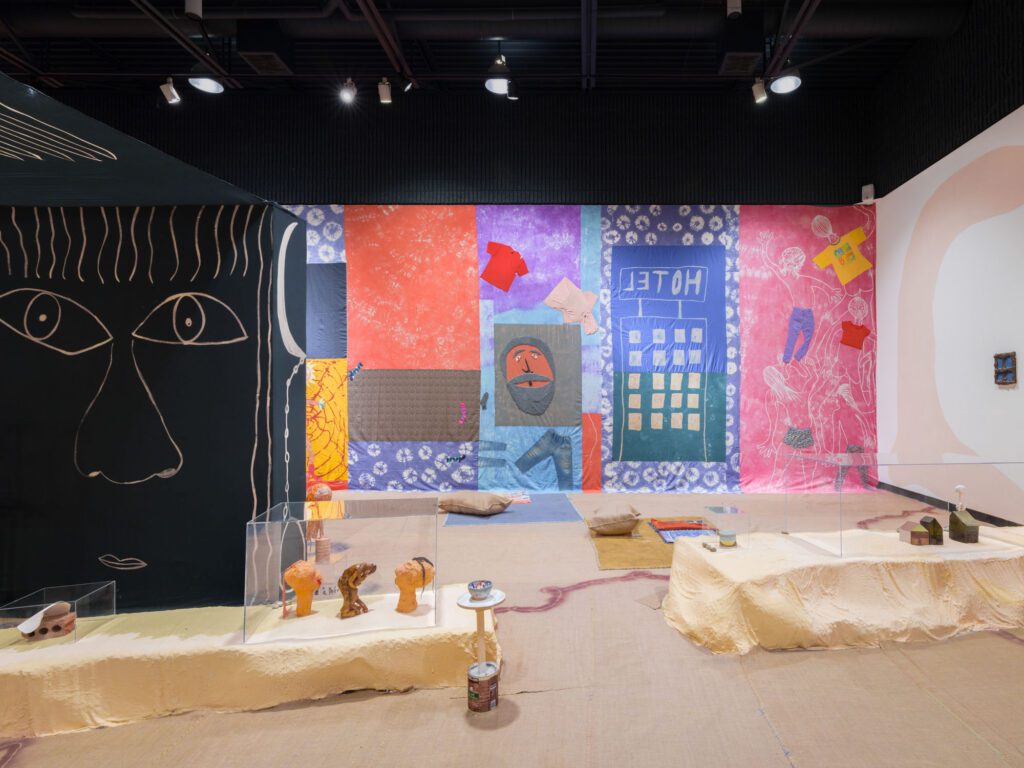
Celina Eceiza, A material called Earth, Volume 1: The life of corners, 2026. Site-sensitive installation. Art Gallery of Burlington. Photo: Darren Rigo
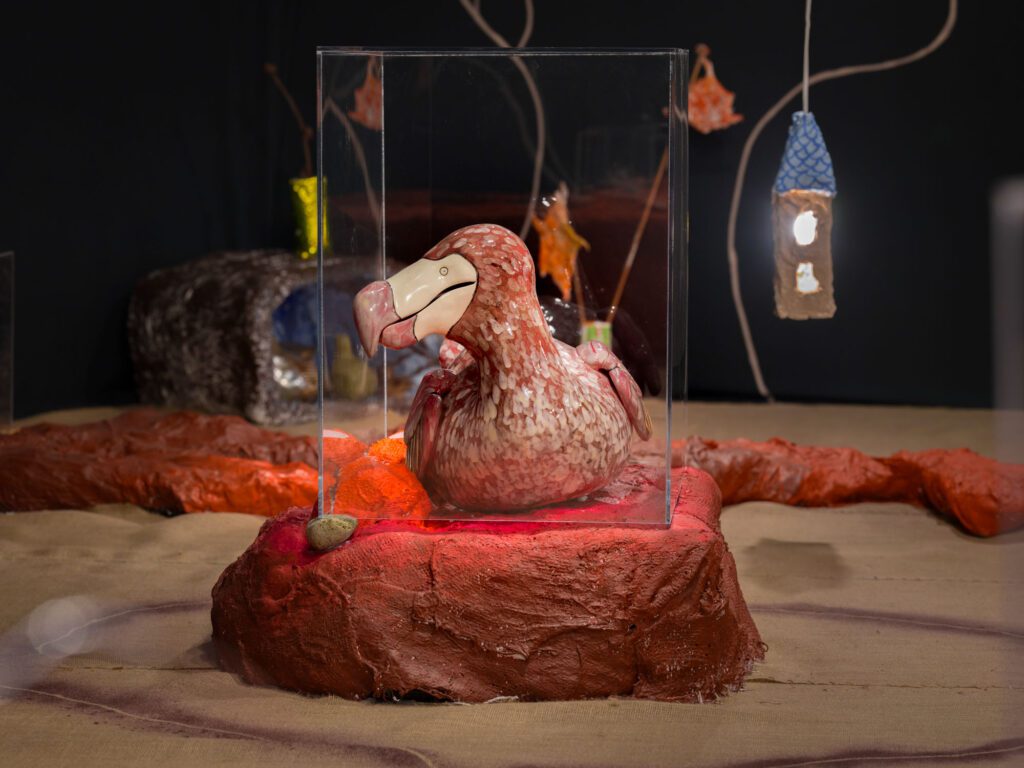
Celina Eceiza, A material called Earth, Volume 1: The life of corners, 2026. Site-sensitive installation. Art Gallery of Burlington. Photo: Darren Rigo
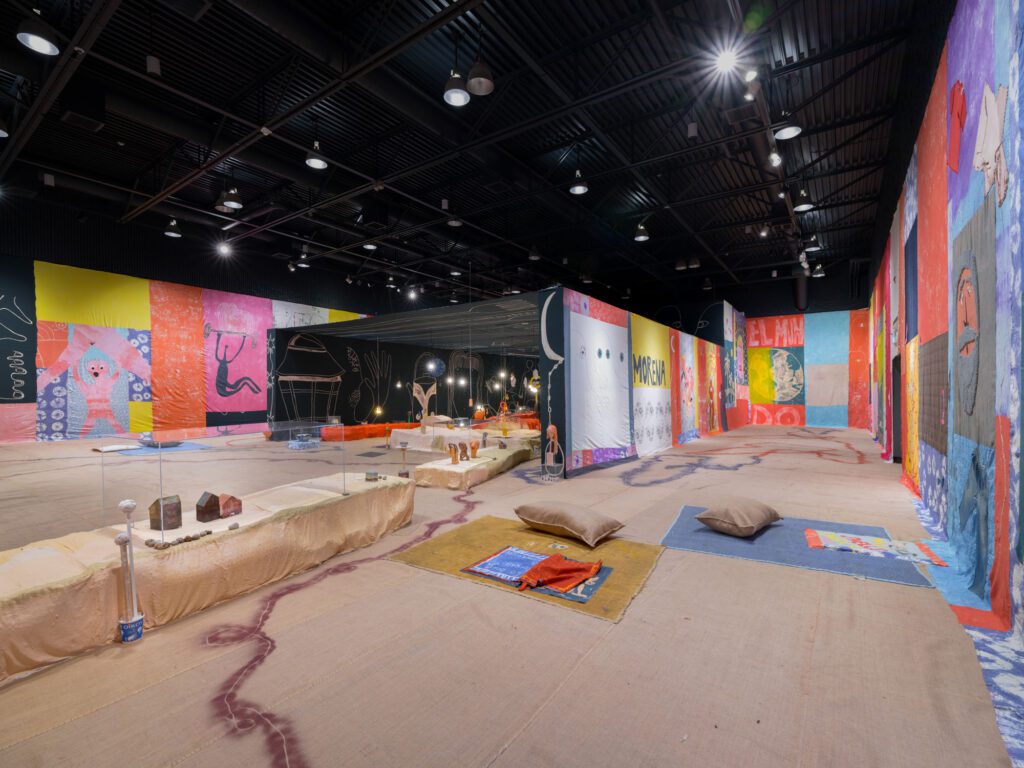
Celina Eceiza, A material called Earth, Volume 1: The life of corners, 2026. Site-sensitive installation. Art Gallery of Burlington. Photo: Darren Rigo
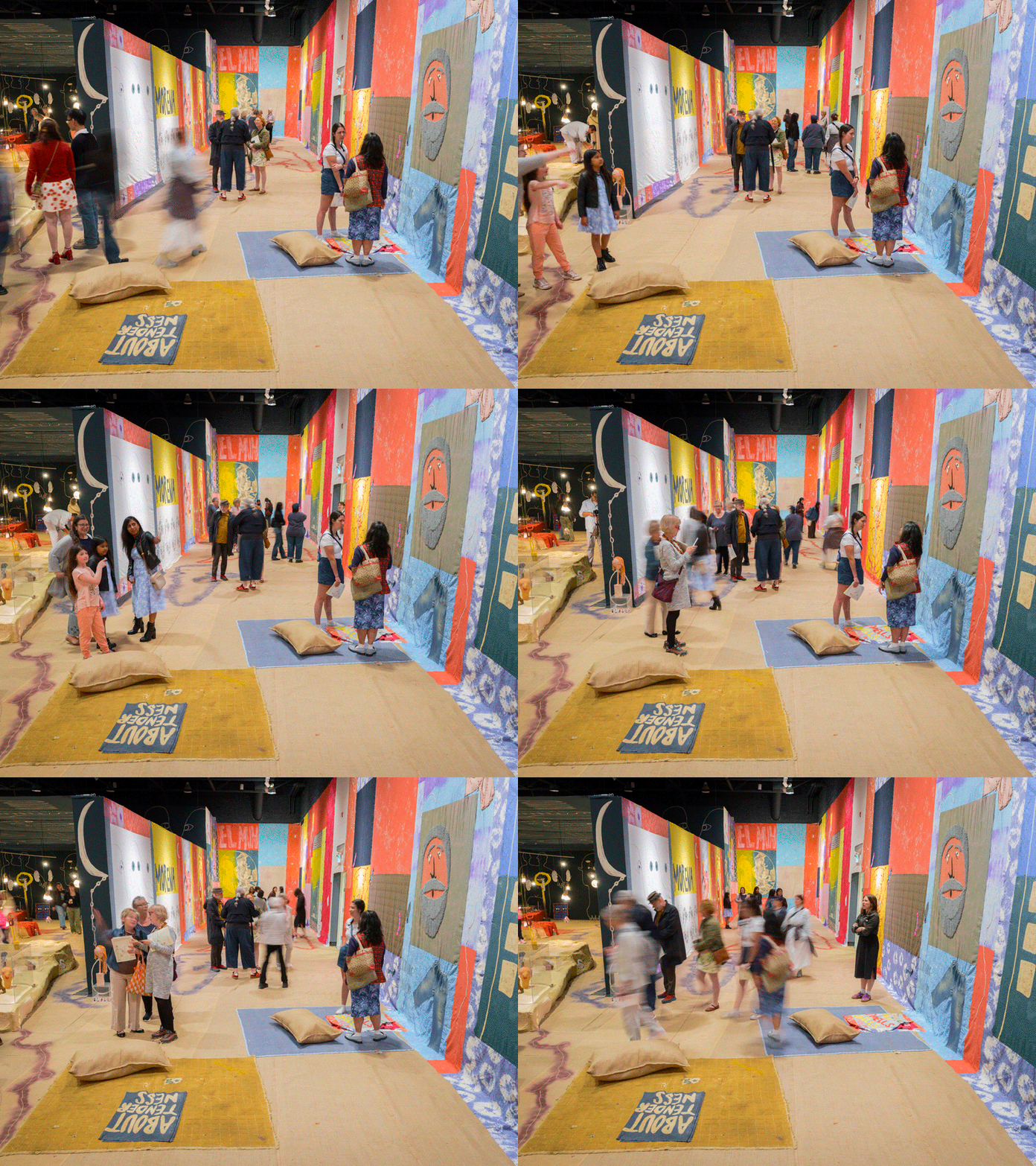
Celina Eceiza, A material called Earth, Volume 1: The life of corners, 2026. Site-sensitive installation. Art Gallery of Burlington. Photo: Darren Rigo
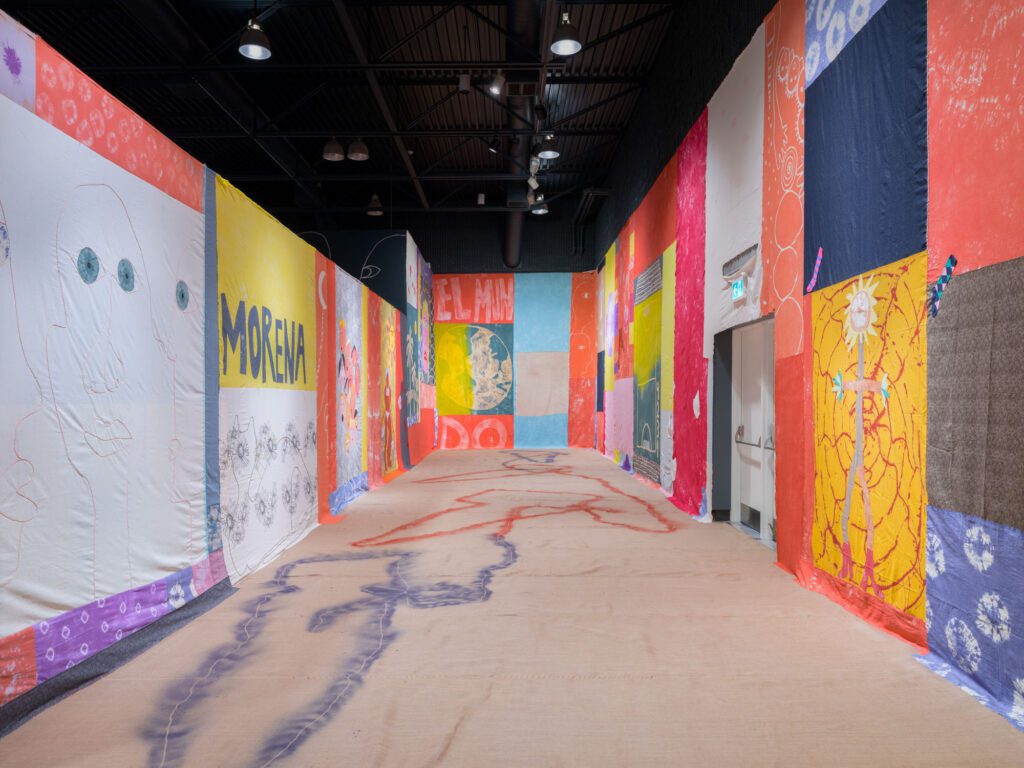
Celina Eceiza, A material called Earth, Volume 1: The life of corners, 2026. Site-sensitive installation. Art Gallery of Burlington. Photo: Darren Rigo
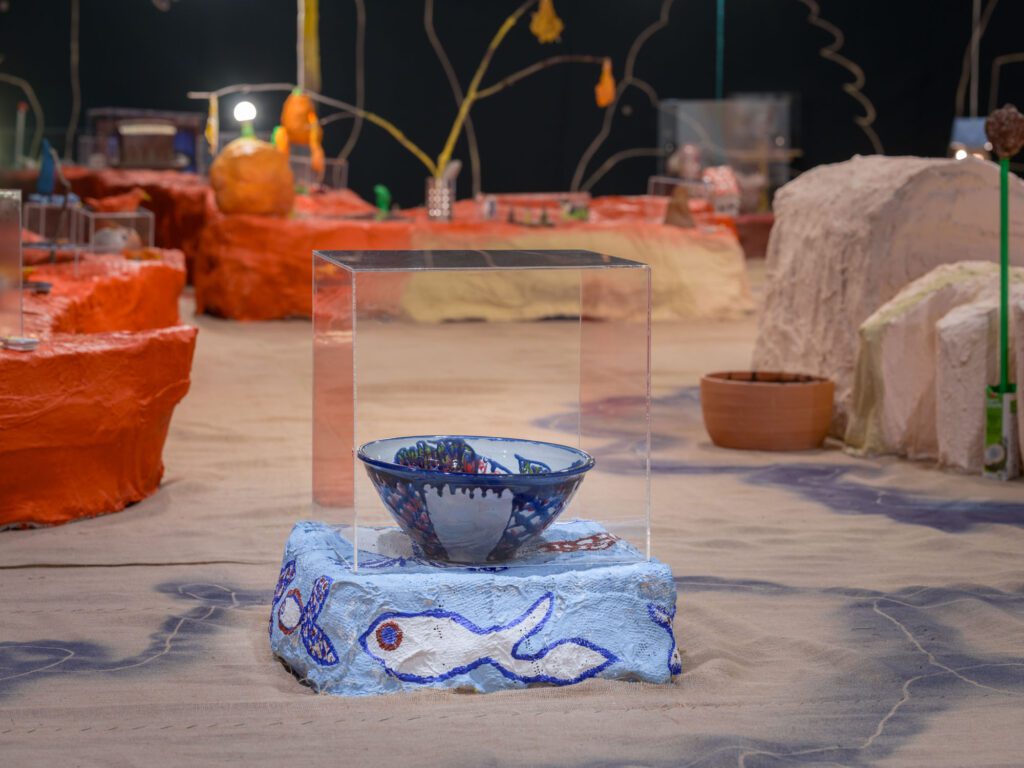
Celina Eceiza, A material called Earth, Volume 1: The life of corners, 2026. Site-sensitive installation. Art Gallery of Burlington. Photo: Darren Rigo
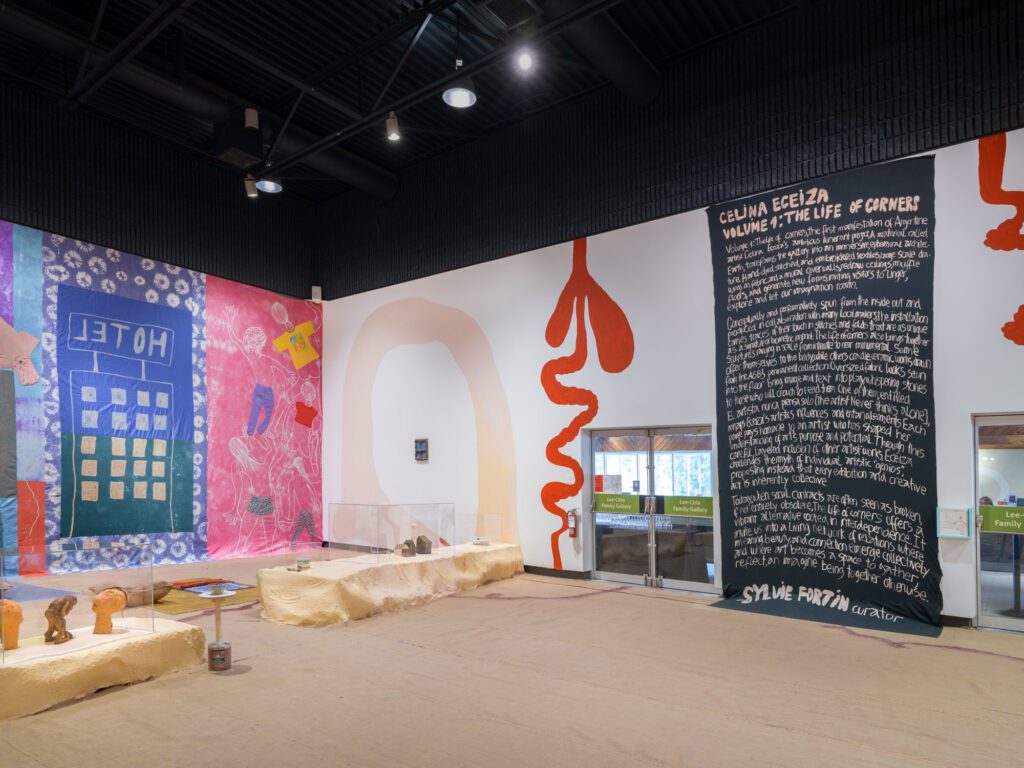
Celina Eceiza, A material called Earth, Volume 1: The life of corners, 2026. Site-sensitive installation. Art Gallery of Burlington. Photo: Darren Rigo
About the
Artist &
Curator
Based in Buenos Aires, Argentina, Celina Eceiza studied at the National University of the Arts (Buenos Aires), was an affiliate of the Centre for Artistic Research (Buenos Aires) in 2016, and a resident at Art Omi (Ghent, NY) in 2024.
Solo exhibitions of her work have been held at the Museo de Arte Moderno de Buenos Aires, Halle Für Kunst Steiermark (Graz), Moria Galería (Buenos Aires), and Móvil Arte Contemporáneo (Buenos Aires).
Her work has also been featured in many group exhibitions and biennials, including the 18th Istanbul Biennial (2025), the First Biennial of Textile Art, Santiago, Chile (2023), and I don’t know you like that: The Bodywork of Hospitality at Bemis Center for Contemporary Arts (Omaha) and UB Art Galleries (Buffalo).
In 2018, she published her first novel, El falsificador [The Counterfeiter], with Tammy Metzler. Her work is found in several public and private collections, including the Museo de Arte Moderno de Buenos Aires.
Website: https://celinaeceiza.com
IG: @celina_eceiza
—-
Sylvie Fortin is an interdependent curator, writer, and editor working internationally and based in Montréal, New York, and Buenos Aires. She was Curator-in-Residence at Bemis Center for Contemporary Arts (Omaha) from 2019 to 2021; Executive/Artistic Director of La Biennale de Montréal from 2013 to 2017; and Executive Director/Editor of ART PAPERS (Atlanta) from 2004 to 2012. Fortin lectures widely and her critical essays and reviews have been published in numerous catalogues, anthologies, and periodicals, including Artforum International, ART PAPERS, Art Press, Art Review, C Magazine, e-flux Criticism, and Frieze.
Website: https://sylviefortin.academia.edu/
IG: @sylviefortin_curator